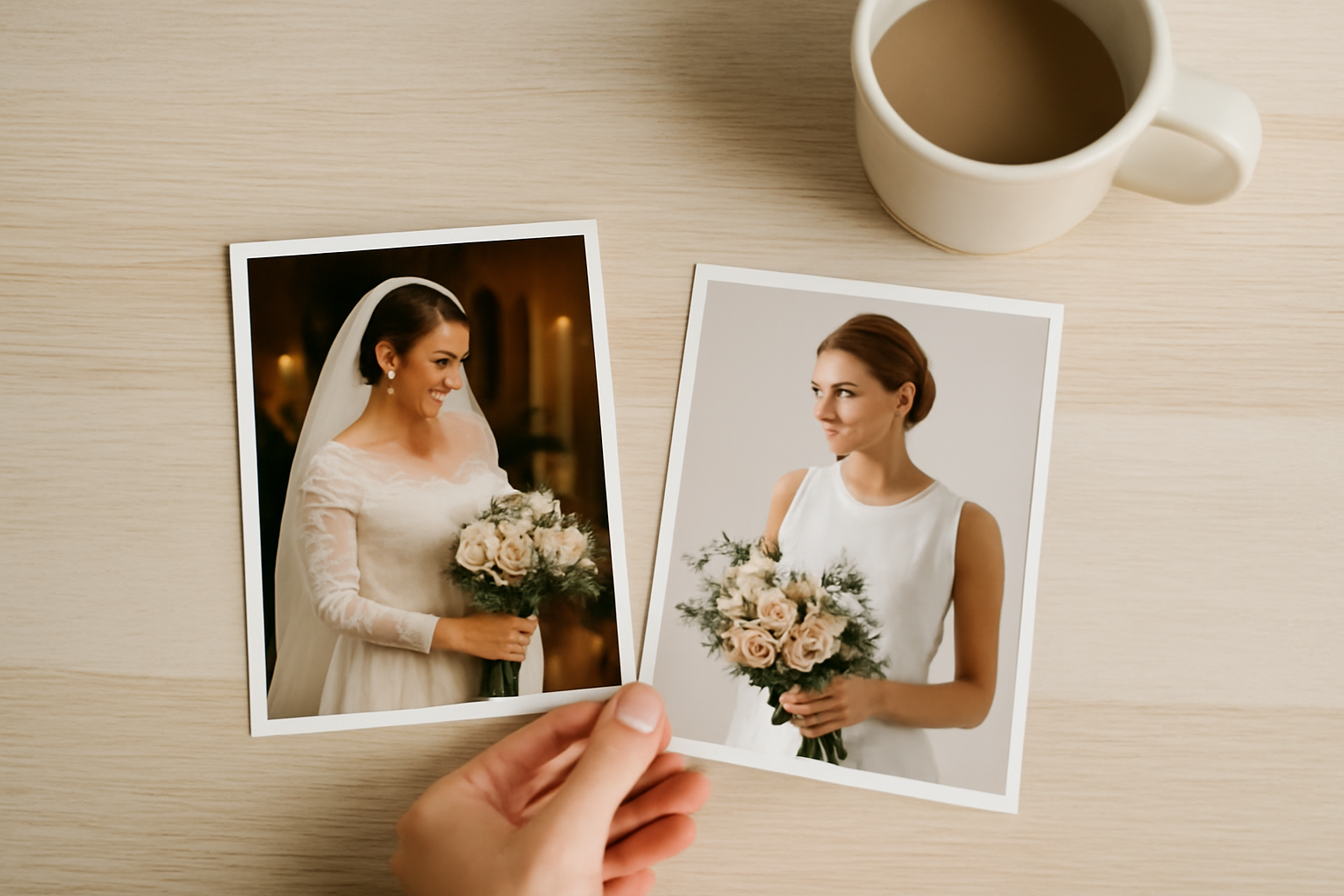
Weddings are a celebration of love, but they can also be a mix of tradition and modernity. As couples plan their big day, they often face the question of whether to adhere to traditional wedding customs or embrace contemporary practices. Each approach has its unique charm, and understanding the differences can help couples make informed choices that reflect their personalities and values.
This article delves into the key differences between wedding traditions and modern practices, examining their significance, advantages, and potential trade-offs. Whether you are planning your own wedding or simply exploring the fascinating world of wedding customs around the world, this comparison will provide clarity and inspiration for your celebrations.
Table of Contents
Understanding Wedding Traditions
Wedding traditions vary widely across cultures and regions, often steeped in history and religious significance. These customs can include rituals such as the exchanging of vows, specific attire, and symbolic acts like the lighting of a unity candle. For many couples, these traditions are a way to honor their heritage and family values.
Common Wedding Traditions
- White Wedding Dress: Traditionally symbolizes purity and innocence. This custom gained popularity in the 19th century, particularly after Queen Victoria wore a white gown for her wedding to Prince Albert. When considering this tradition, think about how you can personalize it-perhaps by incorporating a family heirloom or adding a pop of color that reflects your personality.
- Father Giving Away the Bride: Represents the transfer of responsibility. This tradition has roots in patriarchal society, where the bride was considered the property of her father until she was given to her husband. Today, many couples choose to adapt this tradition. For instance, both parents might walk the bride down the aisle, or the bride may choose to walk solo, symbolizing her independence.
- Throwing the Bouquet: A symbol of good luck for single guests. The tradition suggests that the person who catches the bouquet will be the next to marry. To add a modern twist, consider creating a bouquet made of flowers that hold special meaning to you and your partner, or even using a faux bouquet that can be kept as a memento.
Steps to Incorporate Wedding Traditions
Integrating wedding traditions into your ceremony can be a meaningful way to connect with your heritage. Here are some practical steps to consider: challenges of wedding rituals.
- Research Your Heritage: Look into the wedding customs of your cultural background. This can include specific rituals, attire, or even types of ceremonies that are traditionally performed.
- Discuss with Family: Engage family members in conversations about their wedding experiences and traditions. This can provide insights into what is meaningful to them and may influence your decisions.
- Choose Meaningful Traditions: Select traditions that resonate with you and your partner. Consider how these customs reflect your values and relationship. It's important to choose what feels right for you, rather than feeling pressured to conform to every tradition.
- Personalize Your Ceremony: Find ways to infuse your personality into traditional elements. This could involve writing your own vows, incorporating favorite songs, or choosing unique readings that represent your love story.
- Be Open to Adaptation: Don't hesitate to modify traditions to suit your style. For example, if you love the idea of a bouquet toss but prefer a more intimate setting, you might opt to have a private moment with just your closest friends.
Common Mistakes to Avoid
While incorporating wedding traditions can enhance your celebration, there are pitfalls to watch out for:
- Ignoring Personal Preferences: Don't feel obligated to include traditions that don't resonate with you or your partner. It's your day, and it should reflect your unique relationship.
- Overloading the Ceremony: While traditions can add depth, too many can make the ceremony feel crowded or overwhelming. Choose a few key traditions that hold the most significance.
- Neglecting Cultural Sensitivity: If you're considering incorporating traditions from cultures outside your own, ensure you do so respectfully and with understanding. This may involve consulting individuals from that culture to ensure you honor their customs appropriately.
In summary, wedding traditions can enrich your ceremony and serve as a beautiful homage to your heritage. By thoughtfully selecting and personalizing these customs, you can create a wedding that is not only memorable but also meaningful to you and your loved ones.
Modern Practices in Weddings
Modern wedding practices have emerged as couples seek to personalize their ceremonies. This shift often includes non-traditional venues, unique themes, and creative expressions of love that reflect contemporary values. Modern weddings may also prioritize inclusivity and personalization over rigid customs.
Popular Modern Practices
- Destination Weddings: A trend where couples marry in a scenic location away from home.
- Personalized Vows: Couples write their own vows to express their unique love story.
- Unconventional Attire: Brides and grooms opt for colors and styles that differ from the traditional white dress and tuxedo.
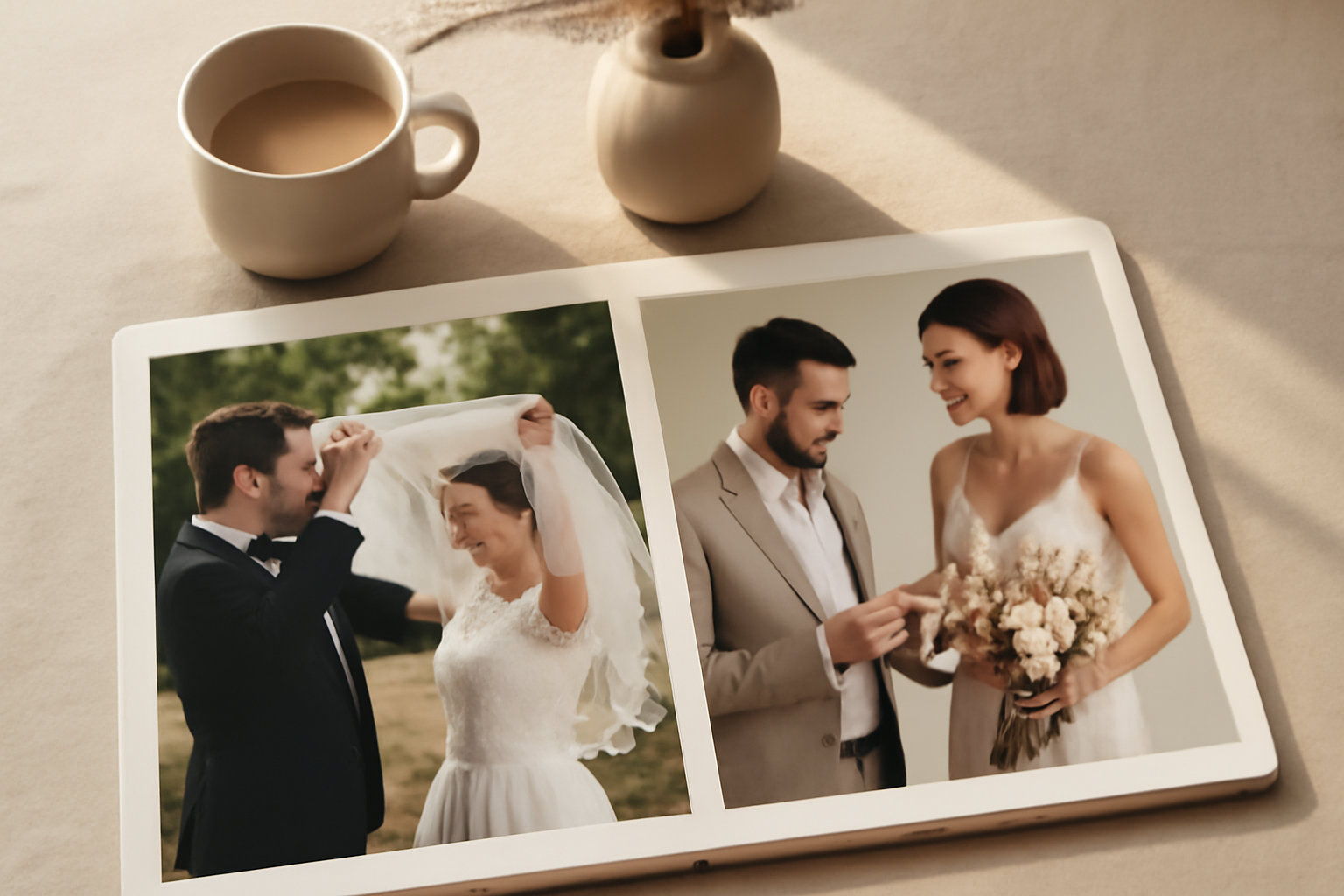
Comparing Key Aspects
| Aspect | Wedding Traditions | Modern Practices |
|---|---|---|
| Significance | Deep-rooted in culture and heritage | Focus on personal expression and current values |
| Flexibility | Often rigid and defined | Highly adaptable to individual preferences |
| Guest Experience | Predictable and familiar | Unique, often tailored experiences |
| Symbolism | Rich with cultural meaning | May prioritize personal significance over tradition |
Significance
Wedding traditions often stem from historical practices and cultural rituals that have been passed down through generations. These traditions can include religious ceremonies, specific attire, and customary rituals such as the exchange of rings or the throwing of rice. For example, in many cultures, the bride wears white to symbolize purity, while in others, colorful attire reflects cultural heritage and celebration.
In contrast, modern practices lean towards personal expression. Couples today often choose elements that resonate with their unique relationship instead of adhering strictly to tradition. This could mean incorporating themes that reflect shared interests, such as a favorite movie or hobby, or even creating their own vows that highlight their journey together. The significance in modern weddings is often tied to personal milestones and shared experiences rather than cultural expectations.
Flexibility
Traditional weddings can be quite rigid, with specific roles and timelines that are expected to be followed. For instance, the order of events, such as the processional or the cutting of the cake, is typically standardized. This rigidity can sometimes create stress for couples who wish to include personalized touches or deviate from established norms.
Modern weddings, however, embrace flexibility. Couples are increasingly choosing to break away from conventional timelines and roles. For example, many now opt for a first look before the ceremony, allowing for more intimate moments and photography opportunities. Additionally, many couples are choosing to forego certain traditions altogether, such as the garter toss, in favor of activities that reflect their personalities and interests, like a group dance or a shared toast with their guests.
Guest Experience
With traditional weddings, guests often know what to expect, as many elements are predictable and familiar. This can create a sense of comfort but may also lead to a lack of excitement. Traditional receptions often follow a set schedule, including a sit-down dinner, speeches, and dancing, which can feel routine.
Modern practices focus on creating unique and tailored experiences for guests. Couples are increasingly looking to engage their attendees in new ways, such as interactive food stations, personalized favors, or even themed entertainment that reflects their personalities. For instance, a couple who loves travel might create a destination-themed wedding with cuisine and decor from their favorite places, making the experience memorable for everyone involved.
Symbolism
Wedding traditions are often rich with symbolism, conveying messages about love, commitment, and family. For example, the act of jumping the broom in some cultures symbolizes the couple's new beginning together, while the breaking of glass in others represents the fragility of relationships. These symbols can carry significant meaning and often connect couples to their heritage.
On the other hand, modern practices may prioritize personal significance over traditional symbolism. Couples might choose to create new symbols that are meaningful to them, such as planting a tree together during the ceremony to represent their growing relationship or incorporating family heirlooms in creative ways. This shift allows couples to craft a narrative that is uniquely theirs, fostering a deeper connection to the ceremony and each other.
Trade-offs to Consider
Choosing between wedding traditions and modern practices involves weighing various trade-offs. Couples may find that adhering to traditions can foster a sense of connection with their families but could also limit their ability to express their individuality. Conversely, modern practices can offer a fresh and personalized approach, but they may sometimes overlook the deeper meanings associated with traditional customs.
Emotional Connection vs. Personal Expression
One of the most significant trade-offs is the balance between emotional connection and personal expression. Traditional weddings often come with rituals that have been passed down through generations. These rituals can create a strong bond between the couple and their families, making everyone feel included in the celebration. For example, a bride wearing her mother's wedding dress can evoke nostalgia and honor family heritage. However, this adherence to tradition might stifle the couple's unique style or preferences. Couples should consider whether they want to prioritize family connections or showcase their individuality through personalized elements.
Cost Considerations
Another important factor is the cost associated with traditional versus modern practices. Traditional weddings can be expensive due to the expectations surrounding them, such as large guest lists, formal venues, and elaborate decor. For instance, a classic church wedding often requires specific arrangements, which can drive up costs. On the other hand, modern weddings tend to be more flexible and can be tailored to fit a budget. Couples might opt for a destination wedding or an intimate backyard gathering that reflects their personalities without breaking the bank. It's essential to create a budget checklist that weighs the costs of traditional elements against more modern, cost-effective options.
Guest Experience vs. Personalization
When planning a wedding, it's crucial to think about the guest experience versus personalization. Traditional weddings often follow a set format that guests expect, including a formal reception, a sit-down dinner, and specific entertainment. While this can create a familiar and comfortable atmosphere for guests, it may not resonate with the couple's vision. Modern practices allow for more creativity-think food trucks instead of a formal meal or interactive activities that reflect the couple's interests. Couples should assess their guest list and consider what type of experience they want to create. A checklist can help evaluate the pros and cons of each approach, ensuring that both the couple's desires and their guests' enjoyment are taken into account.
Timelessness vs. Trendiness
Choosing between timeless traditions and trendy modern practices is another trade-off to consider. Traditional elements like a formal wedding cake, classic vows, or a bouquet toss have stood the test of time for a reason-they carry deep meanings and are often cherished by guests. However, they can sometimes feel outdated or cliché. On the flip side, modern trends can make a wedding feel fresh and exciting but may not hold the same lasting significance. For example, while a themed wedding can be fun, couples should ask themselves if it will feel dated in a few years. A good approach is to blend timeless elements with trendy touches, ensuring that the day feels both relevant and meaningful.
Family Expectations vs. Personal Values
Finally, navigating family expectations versus personal values can be a challenging trade-off. Many families have specific cultural or religious traditions they expect to see honored during a wedding. While embracing these traditions can strengthen family ties, it may conflict with the couple's personal values or beliefs. For instance, a couple may wish to forgo certain religious rites in favor of a more secular ceremony that reflects their values. Open communication is key here; couples should have honest discussions with their families about what traditions they feel comfortable incorporating and which ones they would prefer to set aside. A compromise can often be reached that honors both family heritage and the couple's beliefs.
Checklist for Balancing Traditions and Modern Practices
- Identify key traditions that resonate with you and your partner.
- Discuss family expectations and how they align with your vision.
- Set a budget that accommodates both traditional and modern elements.
- Consider the guest experience and what will make it memorable.
- Evaluate the significance of each element-timeless versus trendy.
- Communicate openly with family members about your choices.
- Be willing to adapt traditions to fit your personal style.
By carefully considering these trade-offs, couples can create a wedding that honors their past while celebrating their unique journey together.
Which Option Fits You?
When deciding between wedding traditions and modern practices, consider your values, family expectations, and personal style. Here are some scenarios to help guide your decision:
- If you value family history: You may want to incorporate traditional elements that honor your heritage. Think about including family heirlooms, such as a grandmother's wedding dress or jewelry, in your attire. Consider a traditional ceremony that features rituals passed down through generations, like a unity candle lighting or a traditional dance.
- If you want to express individuality: Embrace modern practices that highlight your unique relationship. This could mean customizing your vows to reflect your personal journey together or choosing a non-traditional venue that resonates with your shared interests, such as a favorite park or an art gallery. You might also consider a themed wedding that showcases your hobbies or passions, like a book-themed celebration for avid readers.
- If you are blending cultures: Find a balance that respects both traditions and modern interpretations. This could involve including elements from both cultures in your ceremony, such as a traditional tea ceremony alongside a modern exchange of vows. Create a checklist to ensure you cover key traditions from both sides, and communicate with both families to gather input on what's most important to them. You might also think about incorporating a fusion menu that reflects both culinary backgrounds, allowing guests to experience a taste of both cultures.
Practical Steps for Decision-Making
To help you decide between wedding traditions and modern practices, follow these practical steps:
- List Your Priorities: Sit down with your partner and create a list of what's most important to each of you. Consider aspects like venue, ceremony style, guest list, and specific traditions.
- Discuss Family Expectations: Have open conversations with both families about their expectations. This will help you understand which traditions are non-negotiable and which can be adapted or omitted.
- Research Traditions: Look into the specific traditions from both sides of your families and the modern practices that resonate with you. This can help you find creative ways to blend the two.
- Make a Budget: Determine how much you can spend and see how traditional versus modern elements fit into your budget. Sometimes, traditional elements can be more costly, so consider how to balance your choices financially.
- Seek Inspiration: Browse wedding blogs, magazines, and social media platforms for inspiration. Look for weddings that successfully blend traditional and modern elements for ideas.
Common Mistakes to Avoid
When navigating the choice between wedding traditions and modern practices, keep an eye out for these common pitfalls:
- Ignoring Personal Preferences: It's easy to get caught up in family expectations or societal norms. Remember, this is your wedding, and it should reflect who you are as a couple.
- Overcomplicating the Planning: Trying to incorporate every tradition can lead to a complicated and overwhelming wedding. Choose a few key elements that resonate with you both.
- Neglecting Communication: Failing to communicate your vision with family members can lead to misunderstandings. Keep everyone in the loop to ensure a smoother planning process.
- Forgetting About Your Guests: While it's important to honor traditions and express individuality, consider your guests' comfort and enjoyment. A wedding that is too rigid in tradition may not resonate with all attendees.
Conclusion
Ultimately, the choice between wedding traditions and modern practices comes down to your personal preferences and circumstances. Embrace what resonates with you and your partner, whether that means following age-old customs or crafting a celebration that reflects your modern love story. Remember, your wedding should be a celebration of your unique bond, complete with meaningful touches, whether that's a special mug for celebrating milestones or a meaningful mug for special occasions. Take the time to explore all options and create a day that truly feels like yours.
Reflecting on Your Values
Before making decisions about your wedding, take a moment to reflect on what values are most important to you and your partner. Consider these questions:
- What traditions hold sentimental value for you or your family?
- Are there modern practices that resonate with your lifestyle and relationship?
- How can you blend both to create a unique celebration that honors your past while looking toward the future?
By identifying your core values, you can create a wedding that feels authentic and true to who you are as a couple.
Creating a Balanced Celebration
Combining wedding traditions with modern practices can be a delicate balancing act. Here are some practical steps to help you achieve this blend:
- Identify Key Traditions: Make a list of traditions that are meaningful to you and your family. This could include specific ceremonies, attire, or rituals.
- Research Modern Alternatives: Look into modern practices that align with your vision. This might include unique venue choices, personalized vows, or non-traditional entertainment.
- Discuss with Your Partner: Have an open conversation with your partner about which traditions they value and how they envision your wedding day. This ensures both voices are heard.
- Seek Compromise: If there are differing opinions, find a middle ground. Perhaps you can incorporate a traditional element in a modern way, like using a family heirloom in a contemporary setting.
- Consult Family: If you're considering traditions, consult with family members to understand their significance. This can also help in gaining their support for your decisions.
Common Mistakes to Avoid
As you navigate your wedding planning, be mindful of these common pitfalls:
- Ignoring Family Expectations: While it's essential to focus on your desires, completely dismissing family traditions can lead to hurt feelings. Aim for a balance.
- Overcomplicating Your Plans: Trying to include too many traditions or modern elements can overwhelm your celebration. Prioritize what's most meaningful to you.
- Forgetting the Purpose: Remember that the wedding is about celebrating your love. Don't get too caught up in the details that you lose sight of the day's true meaning.
Personal Touches
Adding personal touches can enhance the blend of traditions and modern practices. Here are some ideas:
- Customized Vows: Write your own vows that reflect both traditional sentiments and modern love stories, making your promises uniquely yours.
- Personalized Decor: Incorporate decor that tells your story, such as photos from your relationship or items that represent significant milestones.
- Meaningful Gifts: Consider giving personalized gifts to your bridal party or family members that capture shared memories, like engraved mugs or custom keepsakes.
In conclusion, your wedding is a canvas for your love story. Whether you lean more towards wedding traditions or modern practices, the key is to create a day that feels genuine to you both. Take the time to explore all options and craft a celebration that truly reflects your unique bond, making it a day to remember for years to come.