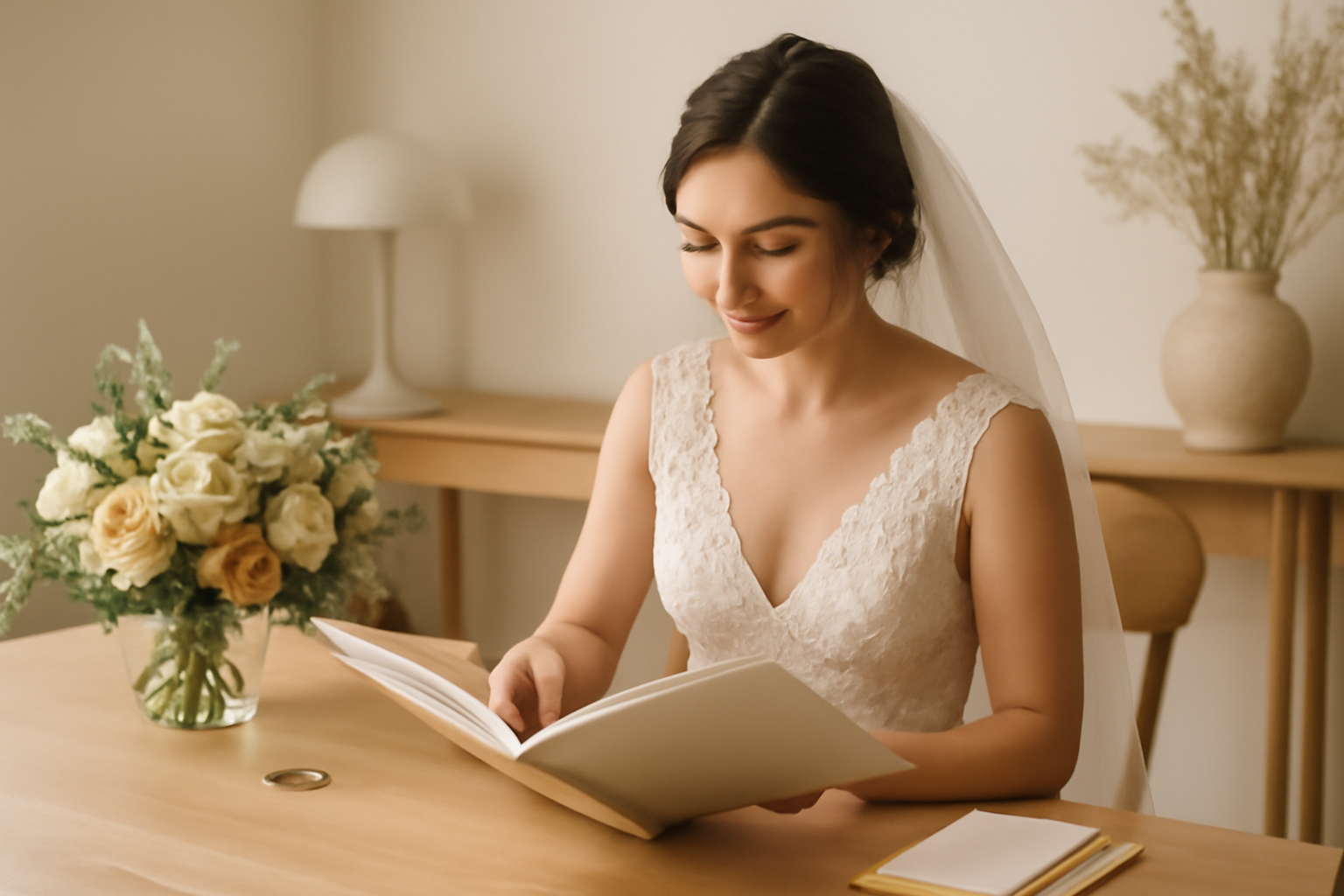
Weddings are a beautiful blend of love, culture, and personal expression, and incorporating wedding traditions can add a meaningful touch to your celebration. Whether you're looking to honor your heritage or create new memories with your partner, understanding how to weave these customs into your ceremony and reception can make your day even more special. appreciating wedding ceremonies.
This guide will walk you through practical steps to incorporate various wedding traditions, helping you to create a memorable experience that reflects your unique relationship. From choosing the right customs to avoiding common pitfalls, we've got you covered! celebrating love and culture.
Table of Contents
Step 1: Research Wedding Traditions
Start by exploring various wedding customs around the world. This will give you a sense of the traditions that resonate with you and your partner. Consider your backgrounds, families, and personal preferences. Researching these traditions can also spark meaningful conversations between you and your partner about what is important to you both on your special day. Exploring Wedding Traditions Around the World.
To effectively gather ideas, you might want to set aside some time for a fun date night where you can discuss different traditions while enjoying a cozy meal. You can even create a vision board together, collecting images and notes about the traditions that stand out to you. This can help you visualize how you want to incorporate these elements into your wedding.
Common Traditions to Explore
- Unity ceremonies (e.g., candle lighting, sand ceremonies): These ceremonies symbolize the joining of two lives. For instance, a sand ceremony involves the couple pouring different colored sands into a single vessel, creating a beautiful representation of their union. Consider personalizing the colors to reflect your relationship or using sand from a meaningful location.
- Traditional vows or readings: Many couples choose to incorporate traditional vows that reflect their cultural or religious backgrounds. You might also explore readings from literature or poetry that resonate with your relationship. Creating a mix of traditional and personal vows can make your ceremony unique and heartfelt.
- Family rituals (e.g., jumping the broom, breaking a glass): These rituals often hold significant cultural meaning. For example, jumping the broom is a tradition rooted in African American culture, symbolizing the couple's commitment to each other and their new life together. Research the origins and meanings behind these customs to see if they align with your values and beliefs.
- Festive customs (e.g., throwing rice or confetti): These joyful traditions celebrate the couple's new beginning. While throwing rice is a classic, consider modern alternatives like biodegradable confetti or flower petals. This not only adds a festive touch but also shows consideration for the environment.
Steps to Conduct Your Research
- Identify Your Heritage: Start by looking into your and your partner's cultural backgrounds. Are there specific customs that are important to your families? Make a list of these traditions to explore further.
- Use Online Resources: Websites, blogs, and forums dedicated to wedding planning often feature articles about various wedding traditions. Look for reputable sources that offer insights into the meanings and origins of these customs.
- Talk to Family Members: Reach out to parents, grandparents, or other relatives to learn about traditions they may have included in their weddings. This can provide a personal touch and help you feel more connected to your family history.
- Attend Cultural Events: If possible, participate in cultural festivals or events that celebrate your heritage. This can give you firsthand experience of the customs and rituals that you might want to incorporate into your wedding.
- Make a List of Favorites: As you research, jot down the traditions that resonate with you both. Consider how each tradition can be adapted to fit your wedding style and personal beliefs.
Common Mistakes to Avoid
- Ignoring Personal Preferences: While it's important to honor traditions, make sure they align with your values and preferences. Don't feel pressured to include something just because it's expected.
- Overloading on Traditions: It's easy to get carried away with incorporating too many customs. Choose a few that truly resonate with you and your partner to keep the ceremony meaningful and cohesive.
- Forgetting to Communicate: Make sure to discuss your findings with your partner. Open communication will help ensure that both of you feel comfortable and excited about the traditions you choose to incorporate.
By taking the time to research wedding traditions, you can create a ceremony that reflects your unique relationship while honoring the customs that are meaningful to you and your families. This thoughtful approach will not only enhance your wedding day but also create lasting memories for you and your loved ones.
Step 2: Discuss with Your Partner
Once you've compiled a list of potential traditions, sit down with your partner to discuss which ones resonate the most. This conversation is crucial for ensuring both of you feel represented on your special day.
Considerations for Discussion
- What traditions are important to each of you?
- Are there any traditions you want to create together?
- How do your families feel about certain customs?
Step 3: Choose the Right Customs for Your Wedding
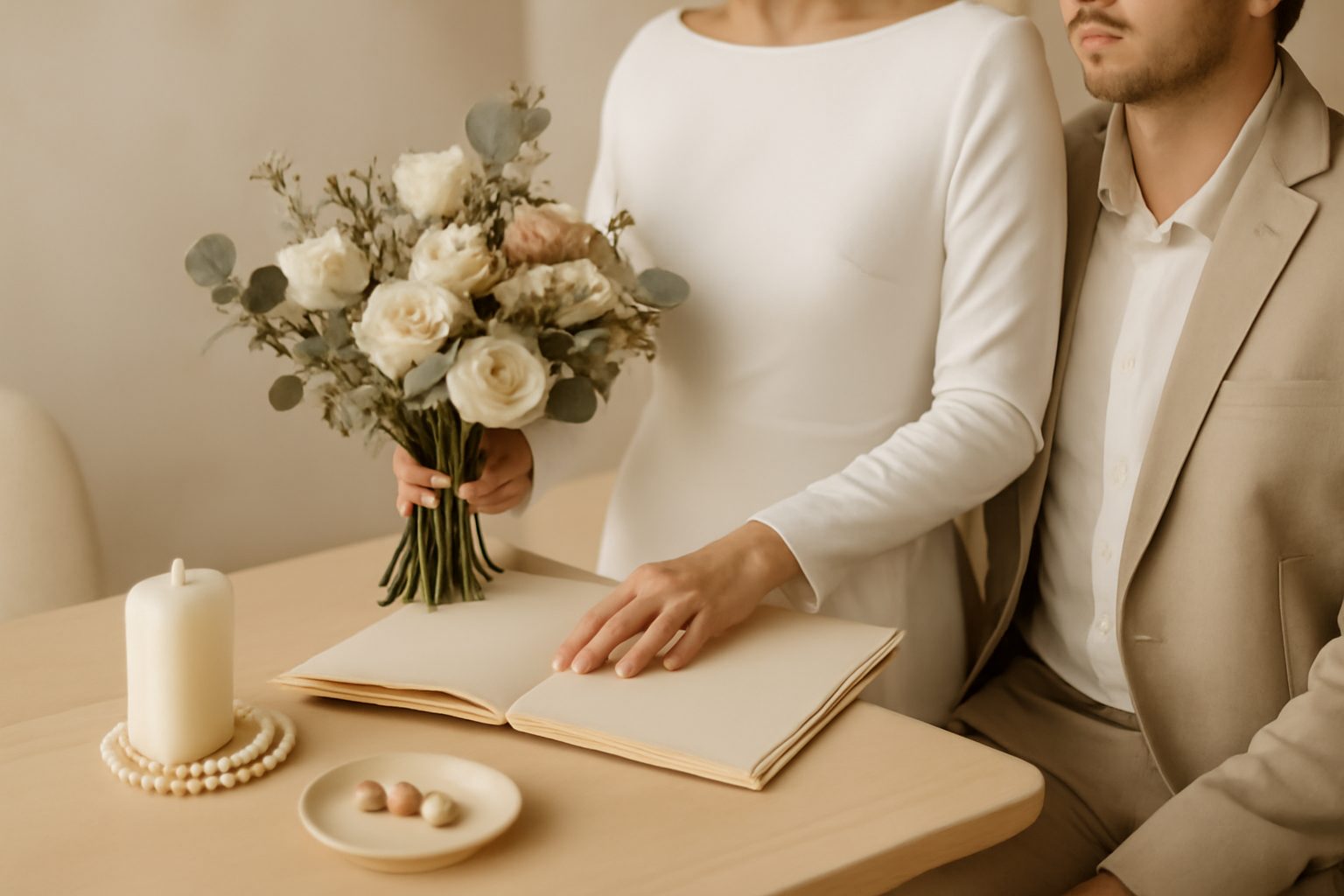
After your discussions, select the traditions that best reflect your relationship and the essence of your wedding. Aim for a balance of personal significance and cultural representation. This step is crucial as it sets the tone for your celebration and allows you to honor your backgrounds while creating a unique experience.
Tips for Choosing Traditions
- Stay authentic to your values and beliefs.
- Consider the logistics of including certain customs.
- Be mindful of your guests and their understanding of the traditions.
Steps to Select Meaningful Customs
- Reflect on Your Heritage: Take time to discuss your family traditions or customs that hold special meaning. This could include practices from your cultural background or those that resonate with your personal values.
- Prioritize Significance: List out the traditions that you and your partner feel most connected to. Consider how these customs can enhance the wedding experience and reflect your love story.
- Research and Understand: Look into the origins and meanings behind each custom. Understanding the significance can help you decide which ones to incorporate and how to do so respectfully.
- Consult Family Members: If you're considering traditions that are important to your families, have conversations with parents or grandparents. This can provide insight and also make them feel included in your special day.
Examples of Popular Wedding Traditions
Here are some customs that many couples consider incorporating into their weddings:
- Ceremony Rituals: Lighting a unity candle or performing a sand ceremony symbolizes the joining of two lives. These rituals can be personalized with unique elements that represent your relationship.
- Family Heirlooms: Wearing a family heirloom, such as a piece of jewelry or a veil, can honor your heritage and connect you to past generations.
- First Look: This modern tradition allows couples to see each other before the ceremony, creating an intimate moment that can be captured by photographers.
- Reception Customs: Consider incorporating cultural dances, traditional meals, or unique toasts that reflect your backgrounds and add a fun element to the celebration.
Common Mistakes to Avoid
- Overloading on Traditions: While it's tempting to include every tradition that resonates with you, too many can overwhelm the ceremony. Choose a few that truly speak to you.
- Ignoring Guest Comfort: Be mindful of your guests' backgrounds. Some traditions may not resonate with everyone, so provide context or explanations where necessary.
- Forgetting Practicalities: Some customs may require specific items, rituals, or time commitments. Ensure you can realistically incorporate them without adding stress to your planning.
Creating a Balanced Blend
Ultimately, the goal is to create a wedding that feels true to you both. Consider blending traditions from both families or cultures to create a unique experience. This could involve combining elements from different ceremonies, such as a traditional Jewish breaking of the glass with a modern vow exchange, creating a beautiful fusion that honors both sides.
As you finalize your selections, remember that the most important aspect is the love and commitment you are celebrating. The traditions you choose should enhance your day and reflect your journey together.
Step 4: Personalize Your Traditions
Adding a personal touch to traditional elements can enhance their meaning. For example, if you're incorporating a unity ceremony, consider using items that represent your journey together. A special mug for celebrating milestones can serve as a lovely addition to your ceremony.
Ways to Personalize
- Customize vows to reflect your relationship.
- Incorporate family heirlooms or symbols.
- Share stories or reasons behind each tradition with your guests.
Step 5: Communicate with Your Vendors
Once you've settled on the traditions you want to include, make sure to communicate these to your wedding planner, officiant, and other vendors. This ensures that everyone is on the same page and can help execute your vision seamlessly.
Key Points to Share
- Specific customs to be included in the ceremony.
- How you want to incorporate these traditions into the timeline.
- Any special items or arrangements needed for the traditions.
Step 6: Prepare Your Guests
Educating your guests about the traditions you've chosen can enhance their experience and appreciation of the ceremony. Consider creating a program that explains each custom, or share a brief explanation during the ceremony itself. By providing context, you not only engage your guests but also create a more meaningful atmosphere that celebrates your unique love story.
Effective Communication Strategies
- Include explanations in your wedding programs.
- Design a visually appealing program that includes a section dedicated to the traditions you are incorporating. Use simple language to describe each tradition, its significance, and how it relates to your relationship.
- Consider using images or symbols alongside the text to make it more engaging. For instance, if you are incorporating a unity candle lighting, include a small illustration of a candle with a note about its meaning.
- Share stories on your wedding website.
- Dedicate a page to your wedding traditions where you can elaborate on why you chose them. This can include personal anecdotes, historical context, or even quotes from family members that highlight the importance of these customs.
- Encourage guests to comment or share their own experiences with similar traditions, fostering a sense of community and connection before the big day.
- Consider a short speech to introduce key traditions during the ceremony.
- Plan a brief moment during the ceremony where you can address your guests and explain the significance of the traditions you are about to perform. This not only informs them but also invites them to participate more actively.
- Practice your speech to ensure it flows naturally and fits within the overall tone of the ceremony. Aim for a balance between heartfelt and informative, keeping it light and engaging.
Additional Tips for Enhancing Guest Understanding
- Use visual aids.
- Incorporate visuals such as signs or banners that explain certain traditions. For example, if you are doing a sand ceremony, a sign explaining the symbolism of the different colored sands can be helpful.
- Consider using a slideshow during the reception that highlights important moments and traditions, providing context through images and brief descriptions.
- Engage your officiant.
- Discuss your chosen traditions with your officiant beforehand. They can help weave explanations into the ceremony itself, making it feel more integrated and seamless.
- Ask your officiant to share a personal story or historical context about certain traditions to enrich the experience for your guests.
- Provide handouts or takeaways.
- Consider creating small cards or bookmarks that guests can take home, summarizing the traditions and their meanings. This not only serves as a keepsake but also helps reinforce the significance of the customs.
- Include a QR code that links to a video or page with more detailed information about the traditions if guests want to learn more later.
By taking these steps to prepare your guests, you create an immersive environment that honors your chosen traditions while making everyone feel included in the celebration. This thoughtful approach not only enhances the experience for your guests but also enriches the overall meaning of your wedding day.
Step 7: Embrace Flexibility
Remember, not everything will go as planned on your big day. Embrace flexibility and be open to adapting traditions if needed. The goal is to celebrate your love, and that can happen in many different forms! A wedding is a unique reflection of your relationship, and being adaptable can help you create a memorable experience for everyone involved.
Tips for Staying Flexible
- Have a Backup Plan: Weather can be unpredictable, especially for outdoor weddings. Consider having an alternative indoor location or a tent ready to go. This way, you won't feel stressed if the skies open up.
- Be Open to Change: If a particular tradition isn't working or feels forced, don't hesitate to modify it or skip it altogether. For instance, if the cake cutting feels awkward, consider a cupcake tower or dessert bar instead.
- Check In with Your Partner: Regularly discuss your plans and feelings with your partner. If either of you feels uncomfortable with a tradition, it's essential to address it together. This ensures that both of you are on the same page and happy with the choices made.
Common Mistakes to Avoid
- Overloading your ceremony with too many customs. While it's tempting to include every tradition you love, this can overwhelm your guests and detract from the significance of each one. Choose a few that resonate with you both and focus on those.
- Forgetting to communicate with your vendors about specific traditions. Whether it's a special song for your first dance or a unique ritual you want included, ensure your vendors are informed well in advance. This prevents any last-minute surprises and helps the day run smoothly.
- Neglecting to consider your guests' comfort and understanding. Some traditions may not resonate with all your guests. Be mindful of how they might perceive certain customs and consider providing context or explanations, especially for less familiar practices.
Examples of Flexible Traditions
Here are a few examples of how you can adapt traditional wedding customs to fit your unique style:
- Unity Ceremony: Instead of a traditional candle lighting, consider a sand ceremony where you and your partner pour different colored sands into a single vessel. This symbolizes your union in a visually stunning way.
- First Dance: If dancing isn't your forte, consider a fun alternative like a choreographed group dance with your wedding party or even a lip-sync battle that gets everyone involved.
- Guest Book: Instead of a traditional guest book, think outside the box with a fingerprint tree or a video message booth where guests can leave you personalized wishes.
By embracing flexibility, you not only ensure a smoother wedding day but also create an atmosphere that feels true to you and your partner. Remember, the essence of your wedding is about celebrating your love and the journey you're embarking on together, no matter how traditional or unconventional that looks.
Conclusion: Create Lasting Memories
Incorporating wedding traditions into your celebration can create a deeper connection to your roots and enhance the overall experience. Start by researching and discussing various customs, personalize them to fit your story, and communicate effectively with your guests and vendors. Take the first step today by exploring wedding customs around the world and envisioning how they can fit into your celebration!
Steps to Incorporate Wedding Traditions
- Research Traditions: Begin by exploring wedding traditions from different cultures, regions, and even your own family history. Consider traditions that resonate with you personally or have significant meaning to your family. Look into customs such as unity ceremonies, specific rituals, or symbolic gestures that can enhance your ceremony.
- Discuss with Your Partner: Share your findings with your partner and discuss which traditions you both feel connected to. This conversation can help you align your vision for the wedding and ensure both of you feel represented in your celebration.
- Personalize the Traditions: Think about how you can adapt these traditions to reflect your personal story. For example, if you choose to incorporate a unity candle ceremony, consider using candles that represent significant milestones in your relationship, such as your first date or engagement.
- Communicate with Vendors: Once you have a clear idea of the traditions you want to include, communicate this to your wedding planner, officiant, and other vendors. They can provide guidance on how to seamlessly incorporate these elements into your ceremony and reception.
- Inform Your Guests: If you are including less familiar traditions, consider providing a brief explanation in your wedding program or through a personal note. This can enhance your guests' understanding and appreciation of the traditions you are honoring.
Examples of Wedding Traditions to Consider
- Unity Ceremony: This could involve lighting a unity candle, pouring sand into a single container, or tying a knot, symbolizing the joining of two lives into one.
- Family Heirlooms: Incorporate family heirlooms into your attire or decor, such as wearing a grandmother's wedding dress or using a family quilt as a backdrop.
- Traditional Dances: Include cultural dances or songs that are meaningful to you and your family, creating a fun and memorable atmosphere during the reception.
- Vows and Blessings: Consider writing personalized vows or incorporating traditional blessings from your heritage to add a heartfelt touch to your ceremony.
- Food Traditions: Serve traditional dishes that represent your family's culture or heritage during the reception to create a unique dining experience for your guests.
Common Mistakes to Avoid
- Ignoring Your Preferences: While it's important to honor traditions, don't feel pressured to include customs that don't resonate with you or your partner. Your wedding should reflect your unique relationship.
- Lack of Communication: Failing to communicate your plans with your vendors can lead to confusion on the big day. Ensure everyone involved understands the traditions you want to incorporate.
- Overloading on Traditions: While it may be tempting to include many traditions, it's essential to strike a balance. Too many elements can overwhelm the ceremony and dilute the significance of each tradition.
- Neglecting Guest Comfort: Some traditions may not resonate with all guests. Be mindful of their comfort and understanding, especially if you are including less common customs.
By thoughtfully incorporating wedding traditions, you can create a celebration that not only honors your heritage but also builds lasting memories for you and your guests. Remember, the goal is to blend the old with the new, creating a unique experience that reflects your love story. Embrace the journey of planning your wedding and cherish the moments that come with it!