
Weddings are a beautiful expression of love and commitment, and they often incorporate a mix of traditions and modern elements. Understanding the differences between traditional wedding customs and contemporary styles can help couples choose the best approach for their special day. This comparison will explore the key aspects of both styles, highlighting their unique features and trade-offs.
As you navigate your wedding planning, you'll find that each option provides distinct benefits and challenges. Whether you're drawn to the elegance of tradition or the creativity of modernity, knowing the nuances will guide you in crafting a celebration that reflects your values and relationship.
Table of Contents
Defining Traditional Wedding Customs
Traditional weddings often adhere to cultural or religious practices that have been passed down through generations. These customs can vary significantly across different cultures, but they typically include rituals that symbolize the union between two people and their families. Understanding these customs can enrich the wedding experience, making it more meaningful and memorable for everyone involved. Exploring Wedding Traditions Around the World.
Key Features of Traditional Weddings
- Cultural Significance: Many elements are steeped in meaning, such as specific vows, ceremonies, and attire. For instance, in Hindu weddings, the Saptapadi (seven steps) represents the couple's commitment to each other, with each step symbolizing a vow. In contrast, Western weddings often feature the phrase "to have and to hold," emphasizing the couple's promise to support each other.
- Family Involvement: Traditional weddings often involve the families of both partners, emphasizing collective support and unity. This may include pre-wedding rituals, such as the Mehndi ceremony in Indian culture, where family and friends gather to apply henna designs on the bride's hands and feet. The involvement of family can also manifest in the form of parental blessings, which are seen as crucial for the couple's future happiness.
- Rituals and Symbols: Common practices include the exchange of rings, ceremonial dances, and blessings. For example, in Jewish weddings, the couple breaks a glass to symbolize the fragility of relationships and the commitment to stand by each other through life's challenges. Additionally, many cultures have specific dances that celebrate the union, such as the Hora in Jewish weddings, where guests lift the couple on chairs, symbolizing joy and community support.
Common Traditional Wedding Customs Across Cultures
While traditional wedding customs can vary greatly, several practices are widely recognized across different cultures: common wedding dilemmas.
- Processional Entrances: In many cultures, the bride's entrance is a significant moment. For example, in Western weddings, the bride walks down the aisle accompanied by her father, symbolizing the transfer of responsibility. In contrast, in some African cultures, the bride may be escorted by her family, showcasing the community's support.
- Wedding Attire: Traditional clothing often holds deep cultural significance. For instance, in Chinese weddings, the bride typically wears a red dress, symbolizing good luck and happiness, while in Scottish weddings, grooms may wear kilts representing their clan heritage.
- Feasting and Celebration: A wedding feast is a common feature, symbolizing abundance and joy. In many cultures, specific dishes are served that hold cultural significance, such as the traditional wedding cake in Western cultures, which represents prosperity and good fortune.
Checklist for Incorporating Traditional Customs
If you're planning a wedding that honors traditional customs, consider the following checklist to ensure you include meaningful elements:
- Research and select traditions that resonate with both partners' backgrounds.
- Consult family members for insights and preferences regarding customs.
- Choose a venue that accommodates traditional practices, such as space for rituals or a large gathering area for family.
- Plan for attire that reflects your cultural heritage, ensuring it's comfortable and meaningful.
- Incorporate rituals that symbolize your commitment, such as exchanging meaningful tokens or performing symbolic actions.
- Schedule time for family involvement, ensuring that key relatives can participate in important ceremonies.
Avoiding Common Mistakes
While planning a traditional wedding, it's essential to avoid common pitfalls that could detract from the experience:
- Neglecting Cultural Sensitivity: Ensure that all customs are respected and accurately represented. Misinterpretation can lead to misunderstandings and offense.
- Overlooking Family Traditions: While it's essential to honor both partners' backgrounds, neglecting family traditions can lead to disappointment. Balance is key.
- Forgetting the Personal Touch: While traditional customs are vital, infusing personal elements can create a unique experience. Consider how you can blend traditions with your story.
By understanding and incorporating traditional wedding customs, couples can create a celebration that honors their heritage while also marking the beginning of their journey together. This thoughtful approach not only enriches the wedding day but also strengthens the bond between families and communities.
Exploring Contemporary Wedding Styles
Contemporary weddings often prioritize personalization and creativity. Couples today are more inclined to break away from strict traditions to create an experience that is uniquely theirs. This flexibility allows for a more relaxed atmosphere and can reflect modern values. With the rise of social media, couples are inspired to showcase their individuality, leading to trends that can be as unique as the couples themselves.
Key Features of Contemporary Weddings
- Personalization: Couples can incorporate unique themes, colors, and styles that resonate with their personalities. This could mean selecting a color palette that reflects their favorite vacation spot or choosing decor that tells their love story. For instance, a couple might opt for a vintage travel theme, using suitcases and maps as centerpieces, or a rustic barn setting with handmade decorations.
- Less Formality: Contemporary weddings can have a more casual vibe, allowing for a relaxed dress code and setting. This might include inviting guests to wear cocktail attire instead of formal gowns or tuxedos, or even encouraging fun accessories like mismatched socks or colorful shoes. Additionally, the ceremony can take place in a backyard, on the beach, or in a park, further enhancing the laid-back atmosphere.
- Creative Elements: Non-traditional venues and activities, such as food trucks or outdoor ceremonies, are becoming popular. Couples might choose to have their reception at a local brewery or art gallery, or even host a picnic-style gathering in a scenic park. Incorporating interactive elements, like a DIY cocktail station or a photo booth with props that reflect the couple's interests, can also add a fun twist to the celebration.
Steps to Plan a Contemporary Wedding
- Define Your Vision: Start by discussing what elements are most important to both of you. Consider your shared interests, values, and the kind of atmosphere you want to create. This could involve brainstorming themes, styles, and must-have elements that will make your day special.
- Set a Budget: Determine how much you want to spend, and allocate funds to different aspects of the wedding. Be sure to prioritize the elements that matter most to you, whether it's the venue, catering, or entertainment.
- Choose a Venue: Look for venues that align with your vision. Consider places that offer flexibility in terms of layout and decor, allowing you to customize the space to fit your theme. Don't hesitate to visit multiple locations to find the perfect fit.
- Select Your Vendors: Research and hire vendors who understand your contemporary style. Look for photographers, caterers, and planners who have experience with non-traditional weddings. Ask for recommendations and read reviews to ensure they align with your vision.
- Plan the Details: Focus on the small details that reflect your personality. This could include custom invitations, unique table settings, or personalized favors. Consider creating a wedding website to share your story, details about the day, and any other relevant information with your guests.
- Embrace Flexibility: Be open to changes as you plan. Sometimes, the best ideas come from unexpected places. If a vendor or venue doesn't work out, don't stress-think creatively and adapt your plans as needed.
Common Mistakes to Avoid
- Ignoring Your Budget: It's easy to get carried away with ideas. Stick to your budget to avoid financial stress later.
- Overcomplicating the Details: While personalization is key, too many elements can create chaos. Focus on a few meaningful touches rather than overwhelming your guests with options.
- Neglecting Guest Comfort: Remember that your guests are there to celebrate with you. Ensure there are comfortable seating arrangements, adequate food and drink options, and a clear schedule of events to keep everyone engaged.
By focusing on these key features and steps, couples can create a contemporary wedding that truly reflects their unique love story while ensuring a memorable experience for themselves and their guests. Embrace the freedom that comes with modern wedding planning, and let your creativity shine!
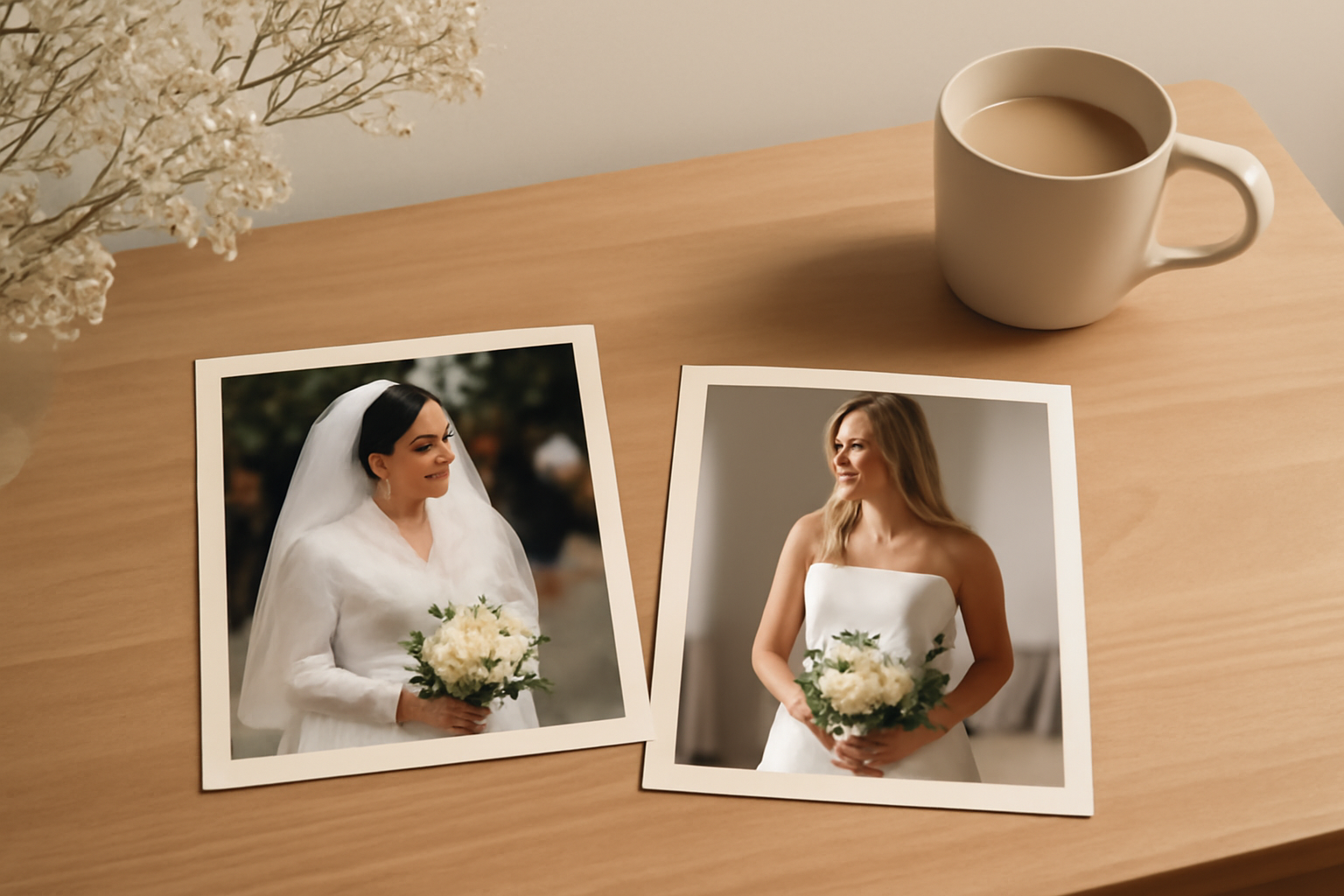
Comparison Table: Traditional vs. Contemporary Weddings
| Aspect | Traditional Weddings | Contemporary Weddings |
|---|---|---|
| Cultural Influence | Heavily rooted in cultural or religious traditions | Focused on personal preferences and modern trends |
| Formality | Formal attire and structured events | Casual attire and flexible scheduling |
| Family Involvement | Strong emphasis on family participation | Greater autonomy for the couple |
| Customization | Limited customization options | High degree of personalization and creativity |
| Rituals | Incorporates established rituals and symbols | Flexible or optional rituals, often redefined |
Cultural Influence
Traditional weddings often draw on the rich tapestry of cultural or religious customs that have been passed down through generations. This can include specific ceremonies, attire, and even food that reflects the couple's heritage. For example, a traditional Indian wedding may involve a series of elaborate rituals such as the Mehndi ceremony, where intricate henna designs are applied to the bride's hands and feet.
In contrast, contemporary weddings tend to prioritize the couple's individual tastes and current trends, which can result in a more eclectic mix of influences. Couples may choose to incorporate elements from various cultures, reflecting their unique backgrounds and experiences. For instance, a couple might opt for a beach ceremony with a casual dress code, blending elements from their travels with modern aesthetics.
Formality
Formality in traditional weddings is often characterized by formal attire such as tuxedos for grooms and elaborate gowns for brides, along with a structured timeline for the event. This can include a formal reception with a sit-down dinner and a set schedule for speeches and dances. Couples might feel pressure to adhere to these standards, which can lead to a more rigid atmosphere.
On the other hand, contemporary weddings embrace a more relaxed approach. Couples may choose to wear less formal attire, like sundresses or smart casual outfits, and schedule their day according to personal preference rather than tradition. This flexibility allows for a more laid-back vibe, encouraging guests to mingle and enjoy the celebration without the constraints of a formal agenda.
Family Involvement
In traditional weddings, family involvement is often paramount, with parents and relatives playing significant roles in planning and executing the wedding. This can include everything from choosing the venue to selecting the guest list. While this can foster a sense of community and shared values, it may also lead to stress if family expectations clash with the couple's vision.
Contemporary weddings, however, often grant couples more autonomy in decision-making. While families may still contribute, the couple typically has the final say on all aspects of the wedding, from the theme to the guest list. This shift empowers couples to create a wedding that truly reflects their personalities and desires, although it can sometimes lead to tension if family members feel left out of the process.
Customization
Customization in traditional weddings is usually limited to specific choices within a predefined framework. For instance, couples may choose their wedding colors or floral arrangements, but the overall structure of the ceremony and reception tends to follow established norms. This can be seen in the choice of a church for the ceremony and a formal banquet hall for the reception.
Conversely, contemporary weddings offer a high degree of personalization. Couples can express their uniqueness through various elements, such as custom invitations, themed decor, and even personalized vows. For example, a couple might create a wedding website that shares their love story or choose a venue that holds special meaning to them, like a favorite park or art gallery. This level of customization not only makes the wedding more memorable but also allows for a greater connection between the couple and their guests.
Rituals
Rituals in traditional weddings often hold deep significance, symbolizing the couple's commitment and cultural heritage. These can include practices like the lighting of candles, the exchange of rings, or specific prayers. Such rituals serve to honor family traditions and can create a profound emotional experience for both the couple and their guests.
In contemporary weddings, rituals may be more flexible or even optional. Couples might choose to redefine traditional practices to better suit their beliefs or preferences. For instance, instead of a religious ceremony, they might opt for a secular celebration that focuses on their personal values, such as a unity ceremony involving planting a tree together. This approach allows couples to create meaningful moments that resonate with their relationship while still honoring the essence of wedding traditions.
Trade-offs Between Traditional and Contemporary Styles
When choosing between traditional and contemporary wedding styles, couples should consider their values, family expectations, and personal preferences. Traditional weddings offer a sense of connection to heritage and shared beliefs, while contemporary weddings provide a platform for self-expression and individuality. Each option comes with its own set of trade-offs:
Emotional Significance vs. Personal Expression
Traditional weddings often evoke deep emotional connections to family heritage, creating a sense of belonging. However, this can come with tradition-related wedding stress as couples navigate expectations. Conversely, contemporary weddings allow for self-expression but may lack the emotional weight of long-standing customs.
Cost Considerations
Traditional weddings may require specific attire, venues, and rituals that can add to the expense. Contemporary weddings can be more budget-friendly, as they offer flexibility in choosing where and how to celebrate. Couples must evaluate their budgets and the importance of certain customs to their overall experience.
Which Option Fits You?
Choosing between traditional and contemporary wedding styles depends on your values, background, and vision for your special day. Here are some scenarios to help you decide:
- If you value cultural heritage: A traditional wedding might be best, especially if you wish to honor family customs and involve relatives in the planning process. Consider incorporating rituals that have been passed down through generations. For example, if you come from a culture that values specific ceremonies, such as a tea ceremony or a traditional dance, including these can create a meaningful experience. Make a list of your family's customs and discuss them with your partner to see which ones resonate with both of you.
- If you prioritize personal expression: Consider a contemporary wedding that allows you to showcase your unique style and preferences, creating an event that feels authentic to you. This could mean choosing a non-traditional venue, like a beach or art gallery, or opting for a theme that reflects your interests, such as a favorite book or movie. Create a mood board with colors, styles, and elements that inspire you. Don't hesitate to think outside the box-whether it's a unique dress code, personalized vows, or even a signature cocktail that tells your love story.
- If you're managing family expectations: You might blend elements from both styles, incorporating traditional aspects while also adding personalized touches. This could involve having a traditional ceremony followed by a contemporary reception. Create a checklist of must-have traditional elements (like a specific type of ceremony or family rituals) and then brainstorm ways to incorporate your personal flair-perhaps through modern decor, a unique guestbook, or a playlist that reflects your relationship. Open communication with family can help in balancing expectations; consider hosting a family meeting to discuss what traditions are important to them and how you can honor them while still making the day feel like yours.
Practical Steps to Decide
- Reflect on Your Values: Take some time to write down what aspects of a wedding are most important to you and your partner. Is it the ceremony, the reception, the food, or the overall experience?
- Discuss with Family: Have open conversations with family members about their expectations and traditions. This can help you gauge how much weight to give to traditional elements.
- Research: Look into different wedding styles by attending various weddings or browsing through wedding blogs and magazines. This will give you a clearer picture of what resonates with you.
- Create a Vision Board: Gather images, colors, and styles that appeal to you. This visual representation can help clarify your preferences and guide your planning.
- Seek Professional Advice: Consult with wedding planners who specialize in both traditional and contemporary weddings. They can provide insights and help you navigate your options.
Common Mistakes to Avoid
- Ignoring Your Partner's Preferences: Make sure to involve your partner in the decision-making process. A wedding is a celebration of your union, and both partners should feel represented.
- Overcomplicating the Planning: Trying to incorporate too many elements from both styles can lead to a disjointed experience. Aim for a cohesive theme that blends your chosen elements seamlessly.
- Neglecting Your Budget: Be mindful of how traditional elements may impact your budget. Some customs may require specific venues or attire that could be costly, so plan accordingly.
- Forgetting About Guest Comfort: Whether traditional or contemporary, ensure that your guests feel comfortable and included in the celebration. Consider their needs when choosing venues, seating arrangements, and food options.
Ultimately, the best wedding style for you is one that reflects your love story and brings joy to you and your guests. Take the time to explore both traditional and contemporary options, and remember that it's your day-make it memorable in a way that feels right for you.
Final Thoughts
Choosing the right wedding style is a deeply personal decision that should reflect your values and desires as a couple. Whether you lean towards traditional wedding customs or contemporary styles, remember that the essence of your celebration is about love and commitment. Take the time to explore your options and consider how each style aligns with your vision. As you plan, don't forget to commemorate the milestones in your relationship with meaningful gifts, such as a special mug for celebrating milestones or a personalized mug for Mother's Day. Happy planning!
Reflecting on Your Values
Before making a decision, sit down together and discuss what aspects of a wedding are most important to you. Consider the following questions:
- What traditions do you or your families hold dear?
- Are there any contemporary elements that resonate with you as a couple?
- How do you envision your celebration? Intimate or grand?
- What budget constraints do you have, and how might they influence your choice?
Having open conversations about these topics can help clarify your preferences and guide your planning process.
Exploring Wedding Styles
As you explore different wedding styles, it may be helpful to create a checklist to compare traditional and contemporary elements. Here are some aspects to consider:
- Ceremony Location: Traditional weddings often occur in places of worship, while contemporary weddings may take place in unique venues like gardens or art galleries.
- Attire: Traditional wedding attire might include a formal gown and tuxedo, whereas contemporary styles may embrace color, non-traditional fabrics, or even casual wear.
- Guest List: Traditional weddings typically have a larger guest list, while contemporary weddings may focus on a more intimate gathering.
- Cultural Traditions: Consider incorporating cultural rituals that are meaningful to you, whether they are traditional or modern.
Commemorating Milestones
As you plan your wedding, think about how you can celebrate the journey that brought you to this moment. Here are some ideas for meaningful gifts that can commemorate milestones in your relationship:
- Engagement Gifts: A personalized photo album capturing your engagement journey can be a wonderful keepsake.
- Anniversary Gifts: Consider custom artwork that represents key moments in your relationship, such as the place you first met or your first home together.
- Wedding Day Gifts: Exchange personalized gifts during your ceremony, like engraved watches or custom jewelry, to symbolize your commitment.
These thoughtful gifts can enhance your wedding experience and serve as lasting reminders of your love story.
Avoiding Common Mistakes
As you navigate the planning process, be mindful of common pitfalls that couples often encounter:
- Ignoring Budget Constraints: It's easy to get carried away with ideas. Set a realistic budget and stick to it.
- Overlooking Guest Comfort: Whether you opt for a traditional or contemporary style, ensure that your guests feel comfortable and welcomed.
- Neglecting to Personalize: Don't forget to infuse your personalities into the celebration, regardless of the style you choose. This is your day!
Ultimately, the best wedding is one that feels authentic to you as a couple. Embrace the planning process, make it fun, and remember that the love you share is the most important aspect of your celebration. Happy planning!