
Choosing the perfect gift can be a delightful yet daunting task. The pressure to find something meaningful can lead to common pitfalls that not only complicate the process but also risk disappointing the recipient. Understanding these mistakes can help transform gift-giving from a stressful chore into a joyful experience.
In this guide, we'll explore the typical missteps people make when selecting gifts and provide practical solutions to avoid them. Whether it's for a birthday, anniversary, or just because, you'll be equipped to make thoughtful choices that celebrate your relationships.
Table of Contents
Understanding the Common Mistakes in Gift Selection
Gift-giving can often feel like a minefield. From overthinking to underestimating the recipient's preferences, many factors can lead you astray. Let's break down some of the most common mistakes. The Ultimate Guide to Thoughtful Birthday Gifts.
1. Ignoring the Recipient's Interests
One of the biggest errors is not considering what the recipient truly enjoys. It's easy to get caught up in the excitement of finding something unique, but if it doesn't resonate with the person, it will likely miss the mark. To avoid this mistake, take the time to reflect on their hobbies, passions, and preferences. Here are some practical steps: celebrating with surprises.
- Ask Questions: If you're unsure, casually inquire about their favorite activities or interests in conversation.
- Listen for Hints: Pay attention to any hints they might drop about things they like or want.
- Check Social Media: Look at their social media profiles for clues about their interests and recent activities.
For example, if your friend loves gardening, a personalized garden tool set could be a thoughtful gift that shows you understand their passion.
2. Rushing the Decision
When time is tight, it's tempting to grab the first thing you see. Unfortunately, hasty decisions often lead to gifts that lack thoughtfulness and personal touch. To counteract this, consider implementing a few strategies:
- Plan Ahead: Create a gift calendar for upcoming occasions to give yourself ample time to think.
- Make a List: Jot down potential gift ideas as they come to you throughout the year, so you have options ready when the time comes.
- Take a Breather: If you feel rushed, take a moment to step back and think about what the recipient would truly appreciate.
For instance, instead of buying a last-minute gift card, consider a handpicked item that reflects their personality, like a custom piece of jewelry or a unique book.
3. Overlooking Personalization
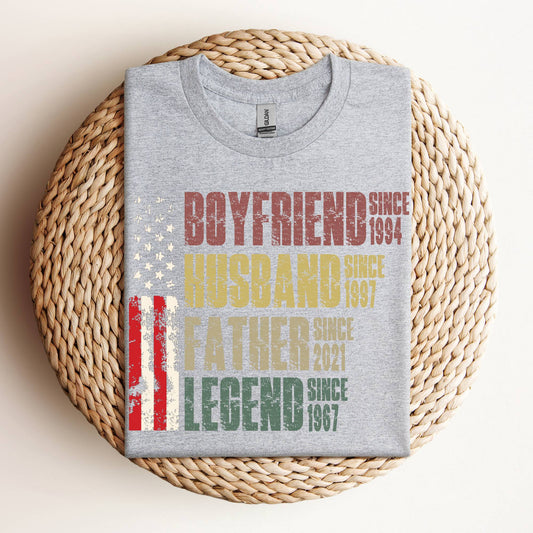
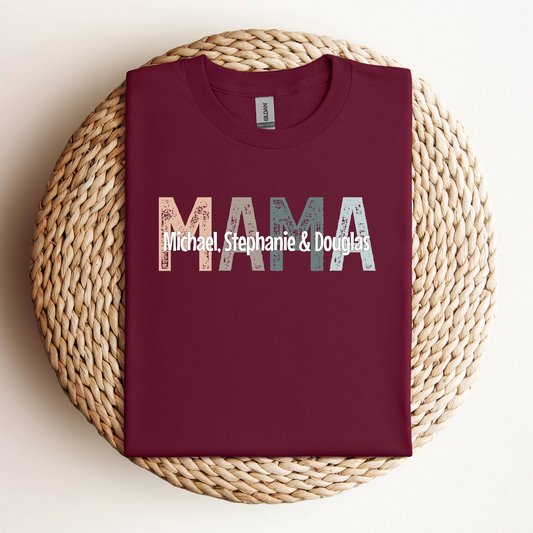
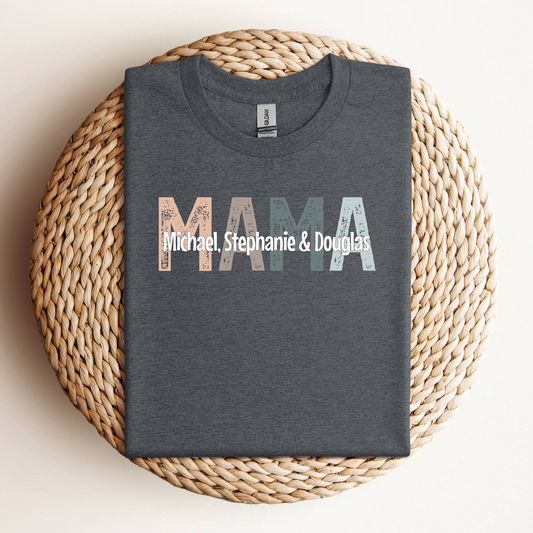
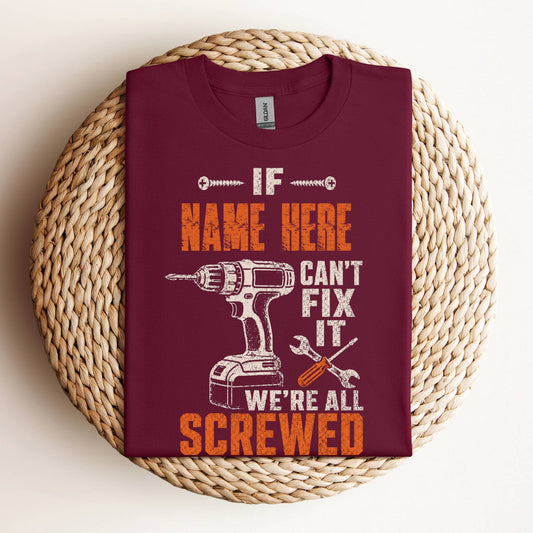
Generic gifts can feel impersonal. A special mug for celebrating milestones or a meaningful mug for special occasions can make a world of difference in demonstrating your care. Personalization adds a unique touch that can elevate any gift. Here are some ideas:
- Engraved Items: Consider items like jewelry, keychains, or picture frames that can be engraved with a special date or message.
- Custom Art: Commission a piece of art that reflects a shared memory or inside joke.
- Personalized Books: Look for books that can be customized with the recipient's name or a special message.
For example, a personalized photo album filled with pictures of memorable moments can be a heartfelt gift that shows you cherish your time together.
4. Not Setting a Budget
Going overboard or being too stingy can both backfire. A clear budget helps narrow down choices while ensuring you don't overspend or undervalue the occasion. To manage your budget effectively, try these tips:
- Determine a Price Range: Establish a range you're comfortable with before you start shopping.
- Stick to Your Plan: Avoid the temptation to buy something outside of your budget just because it seems perfect.
- Consider DIY Options: Sometimes, a handmade gift can be more meaningful and budget-friendly.
For instance, if you decide on a budget of $50 for a birthday gift, you could create a thoughtful gift basket filled with their favorite snacks and a personalized note, rather than splurging on a high-priced item.
5. Forgetting the Occasion
Each occasion has its own vibe-gifts for a birthday should differ from those for a wedding. Not aligning your gift with the occasion can lead to awkward moments. To ensure your gift fits the occasion, consider the following:
- Understand the Significance: Research what types of gifts are traditionally given for specific occasions, like anniversaries or graduations.
- Consider the Setting: Think about where the gift will be given. A casual gathering might call for something light-hearted, while a formal event may require something more elegant.
- Match the Tone: Ensure your gift reflects the mood of the occasion; for example, a whimsical gift for a birthday party versus a heartfelt gift for a sympathy occasion.
For example, a beautifully wrapped set of fine wine glasses would be appropriate for a wedding gift, while a fun board game could be perfect for a friend's birthday party.
Quick Diagnosis: How to Spot a Gift-Giving Mistake
Are you unsure if your gift-giving strategy is on point? Here are some signs to look out for:
- Does the recipient seem surprised or indifferent when they open your gift?
- Have you received feedback that hints your gift was not well-received?
- Do you often stress about your gift choices?
Identifying a gift-giving mistake can be tricky, but there are practical steps you can take to ensure your gifts resonate with the recipient. Here's a more in-depth look at how to diagnose potential pitfalls in your gift-giving approach.
Signs of a Gift-Giving Mistake
Beyond the initial reactions, there are subtler signs that may indicate your gift missed the mark:
- Body Language: Pay attention to the recipient's body language when they unwrap your gift. A lack of excitement, forced smiles, or a quick change of subject can indicate disappointment. For example, if they quickly set the gift aside or fail to express any enthusiasm, it might be time to reassess your gift-giving strategy.
- Follow-Up Conversations: If the recipient doesn't mention the gift in future conversations or seems to forget about it quickly, it might not have made the impact you hoped for. Reflect on whether they refer to gifts that they truly loved, as this can provide insight into what resonates with them.
- Comparison with Past Gifts: If you notice the recipient cherishes certain gifts more than others, take note of what made those gifts special. Was it the thoughtfulness, personalization, or relevance to their interests? For instance, if they still talk about a handmade item you gave years ago, it's a strong indicator that meaningful gifts hold more value than generic ones.
Common Mistakes to Avoid
Understanding what not to do is just as crucial as knowing what to do. Here are some common mistakes that can lead to gift-giving blunders:
- Ignoring Interests: Failing to consider the recipient's hobbies or preferences can result in gifts that feel generic. Always think about what the person enjoys or needs. For instance, if they love gardening, a beautiful plant or gardening tools would be far more appreciated than a random kitchen gadget.
- Overthinking the Budget: While it's important to stay within your means, don't let the price tag overshadow the thought behind the gift. Sometimes, a heartfelt, inexpensive gift can mean more than an extravagant one. A handmade card or a thoughtful note can add immense value to a simple gift.
- Rushing the Decision: Taking the time to choose a thoughtful gift is essential. Rushed decisions often lead to generic choices that lack personal touch. Consider creating a gift list over time, jotting down ideas as you hear hints or suggestions from the recipient.
Checklist for Thoughtful Gift-Giving
To help you avoid common mistakes, here's a handy checklist to guide your gift selection process:
- Know Your Recipient: Make a list of their interests, hobbies, and recent conversations. What have they mentioned wanting or needing? This could include anything from their favorite books to a hobby they've recently picked up.
- Consider the Occasion: Is it a birthday, anniversary, or just because? Tailor your gift to fit the occasion appropriately. For example, a personalized photo album might be perfect for an anniversary, while a fun gadget could suit a birthday celebration.
- Reflect on Past Gifts: Think back to previous gifts you've given. What worked well? What didn't? Use this insight to guide your current choice. If they loved a specific type of gift, consider variations of that theme.
- Personalize When Possible: Adding a personal touch, such as a handwritten note or a customized item, can elevate your gift from ordinary to extraordinary. Consider engraving a special date or message on a piece of jewelry or creating a custom playlist for a music lover.
- Plan Ahead: Avoid last-minute shopping by starting your gift search early. This allows you to consider more options and avoid hasty decisions. Set reminders on your calendar for important dates to give yourself ample time to brainstorm and shop.
Steps to Take After a Gift-Giving Mistake
If you suspect you've made a gift-giving mistake, here's how to address it:
- Open a Dialogue: If appropriate, ask the recipient how they felt about the gift. This can provide valuable feedback for future gift-giving. Approach the conversation lightly, perhaps sharing your own thoughts about gift-giving to make them feel comfortable sharing theirs.
- Apologize if Necessary: If you realize that your gift was indeed a miss, a simple apology can go a long way. Acknowledge that you may have misjudged their tastes. A sincere expression of your intention can help mend any awkwardness.
- Offer to Exchange: If the gift is something they can exchange, offer to help them find something they would truly appreciate. This shows that you care about their happiness and are willing to make it right.
- Learn and Adapt: Use this experience as a learning opportunity. Reflect on what went wrong and how you can improve your approach in the future. Consider keeping a gift journal where you note what worked and what didn't for each recipient.
By being aware of these signs and following this checklist, you can enhance your gift-giving skills and ensure that your future gifts are well-received and cherished. Remember, thoughtful gift-giving is a journey, and every experience helps you become a better gift-giver!

Fix It Fast: Solutions to Common Gift-Giving Mistakes
Now that we've identified the common pitfalls, let's look at how to avoid them effectively.
1. Research and Reflect
Take time to understand the recipient's likes and dislikes. This can involve asking subtle questions or even checking their social media profiles for hints. Here are some practical steps to enhance your research:
- Observe Their Interests: Pay attention to what they talk about or share. Do they have hobbies like gardening, reading, or cooking? Note these down.
- Ask Mutual Friends: If you're unsure, reach out to friends or family who know the person well. They might provide insights you hadn't considered.
- Use Gift Guides: Many online platforms offer gift guides based on interests or age groups. These can spark ideas that align with your recipient's preferences.
2. Plan Ahead
Give yourself plenty of time to select a gift. This allows you the luxury of thoughtful consideration and keeps your stress levels low. Consider these planning tips:
- Create a Gift Calendar: Mark important dates (birthdays, anniversaries) on a calendar. This helps you anticipate upcoming occasions and plan your purchases.
- Set Reminders: Use your phone or planner to set reminders for when to start shopping for each event, ideally a few weeks in advance.
- Make a List: Jot down potential gift ideas as they come to you throughout the year. This list can be a valuable resource when the time comes to buy.
3. Embrace Personalization
Consider gifts that can be customized. A personalized mug for Mother's Day or this elegant mug featuring your name can resonate deeply and show your thoughtfulness. Here are some ideas for personalized gifts:
- Custom Engraved Items: Think about jewelry, keychains, or even kitchenware that can be engraved with names or special dates.
- Photo Gifts: Create a photo book or a framed picture that highlights shared memories. This adds a sentimental touch that generic gifts often lack.
- Customized Experiences: Consider gifting an experience tailored to the recipient, such as a cooking class or a spa day, where they can enjoy something uniquely theirs.
4. Establish a Realistic Budget
Set a budget that feels comfortable and stick to it. This helps you focus on creativity rather than cost. Here's how to manage your budget effectively:
- Determine Your Maximum Spend: Decide on a maximum amount you're willing to spend for each occasion. This helps narrow down your options.
- Consider Group Gifts: For larger occasions, consider pooling resources with others to give a more significant gift while keeping individual costs manageable.
- Be Flexible with Your Budget: Sometimes, you might find the perfect gift that exceeds your budget. In such cases, weigh its emotional value against the cost-it's okay to stretch the budget for something truly meaningful.
5. Match the Gift to the Occasion
Understand the significance of the event and choose gifts accordingly. For instance, heartfelt birthday offerings can be more casual and fun, while celebration gift suggestions for anniversaries might require a more sentimental approach. Here are some tips for matching gifts to occasions:
- Know the Event's Tone: Is it a formal event or a casual get-together? Tailor your gift to match the atmosphere. For example, a humorous gift might be perfect for a casual birthday party, while a romantic gift is more suitable for an anniversary.
- Consider Milestones: Important milestones often call for more significant gifts. A 30th birthday or a 25th wedding anniversary is a great opportunity to give something special that reflects the importance of the occasion.
- Include a Personal Note: Regardless of the occasion, including a personal note can enhance the gift's sentiment. Expressing your thoughts or sharing a memory can make even a small gift feel monumental.
Final Thoughts: Making Gift-Giving Meaningful
Gift-giving should be a joyful experience that strengthens relationships. By avoiding common mistakes and applying thoughtful solutions, you can create memorable surprises that leave a lasting impression. Next time you're on the hunt for a gift, remember to consider the recipient and the occasion to enhance your selection process. Happy gifting!
Steps to Thoughtful Gift-Giving
To ensure your gift resonates with the recipient, follow these practical steps:
- Know Your Recipient: Take time to reflect on the person's interests, hobbies, and preferences. Consider their lifestyle, favorite colors, and any recent conversations that might hint at what they need or want. Make a list of their passions-this could include favorite books, activities, or even specific brands they love.
- Consider the Occasion: Different occasions call for different types of gifts. A birthday gift might be more personal, while a wedding gift could be more practical. Think about the significance of the event and tailor your gift accordingly. For example, a milestone birthday might warrant a more extravagant gift than a casual gathering.
- Set a Budget: Determine how much you're willing to spend beforehand. A budget helps narrow down your options and prevents overspending. Remember, a thoughtful gift doesn't have to be expensive. Consider creating a tiered budget based on the relationship's closeness; for instance, you might spend more on a sibling than on a coworker.
- Make it Personal: Personalization adds a special touch. Consider custom items like engraved jewelry, monogrammed towels, or a photo book that captures shared memories. This shows you put thought into the gift. You might also include a handwritten note explaining why you chose that particular gift, adding an emotional layer.
- Think Outside the Box: Instead of opting for traditional gifts, think creatively. Experience gifts like cooking classes, concert tickets, or a spa day can create lasting memories. You could also consider subscription services that align with their interests, such as a monthly book club or a wine tasting subscription.
- Wrap it Thoughtfully: Presentation matters! Take time to wrap your gift nicely or use a unique gift bag. A well-presented gift enhances the excitement and shows you care. Consider adding personal touches, like a decorative ribbon that matches their favorite color or a small charm that relates to the gift inside.
Common Mistakes to Avoid
Even the most thoughtful gift-giver can stumble. Here are common pitfalls to watch out for:
- Generic Gifts: Avoid gifts that feel impersonal, like candles or generic gift cards. Instead, focus on items that reflect the recipient's personality or interests. If you must give a gift card, choose one from a store or service you know they love.
- Ignoring Hints: If the recipient has mentioned something they like or need, take note! Ignoring these hints can lead to missed opportunities for a perfect gift. Keep a list of ideas based on conversations throughout the year, so you're prepared when gift-giving occasions arise.
- Overthinking: While it's important to choose wisely, overthinking can lead to indecision. Trust your instincts and don't be afraid to go with your gut feeling. Sometimes the first idea that comes to mind is the best one, so don't hesitate too long.
- Forgetting the Card: A heartfelt note can elevate even the simplest gift. Don't forget to include a card with a personal message to express your feelings. This is an opportunity to share a memory, express your love, or simply say why you chose that gift.
- Last-Minute Shopping: Procrastination can lead to poor choices. Plan ahead to avoid rushing and ensure you have ample time to find something special. Set reminders on your calendar for major gift-giving occasions to give yourself ample time to shop.
Examples of Thoughtful Gifts
Here are some examples to inspire your gift-giving:
- For the Foodie: A personalized cutting board or a subscription box for gourmet snacks can delight someone who loves to cook or eat. Consider pairing it with a handwritten recipe card featuring a dish you both enjoy.
- For the Book Lover: A custom book embosser or a beautiful bookend can make a thoughtful gift for someone who treasures their library. You could also include a list of your favorite books to share with them.
- For the Hobbyist: If they love gardening, consider personalized plant markers or a unique planter. Tailoring your gift to their hobbies shows attention to detail. You might also include a gardening book or a subscription to a gardening magazine.
- For the Sentimental: A custom photo album filled with shared memories or a framed picture of a special moment can evoke heartfelt emotions. Consider adding captions or small notes next to the photos to enhance the nostalgia.
By applying these steps and being mindful of common mistakes, your gift-giving can transform from a chore into a delightful experience that fosters connection and joy. Embrace the process, and remember that the thought behind the gift is what truly counts. Happy gifting!