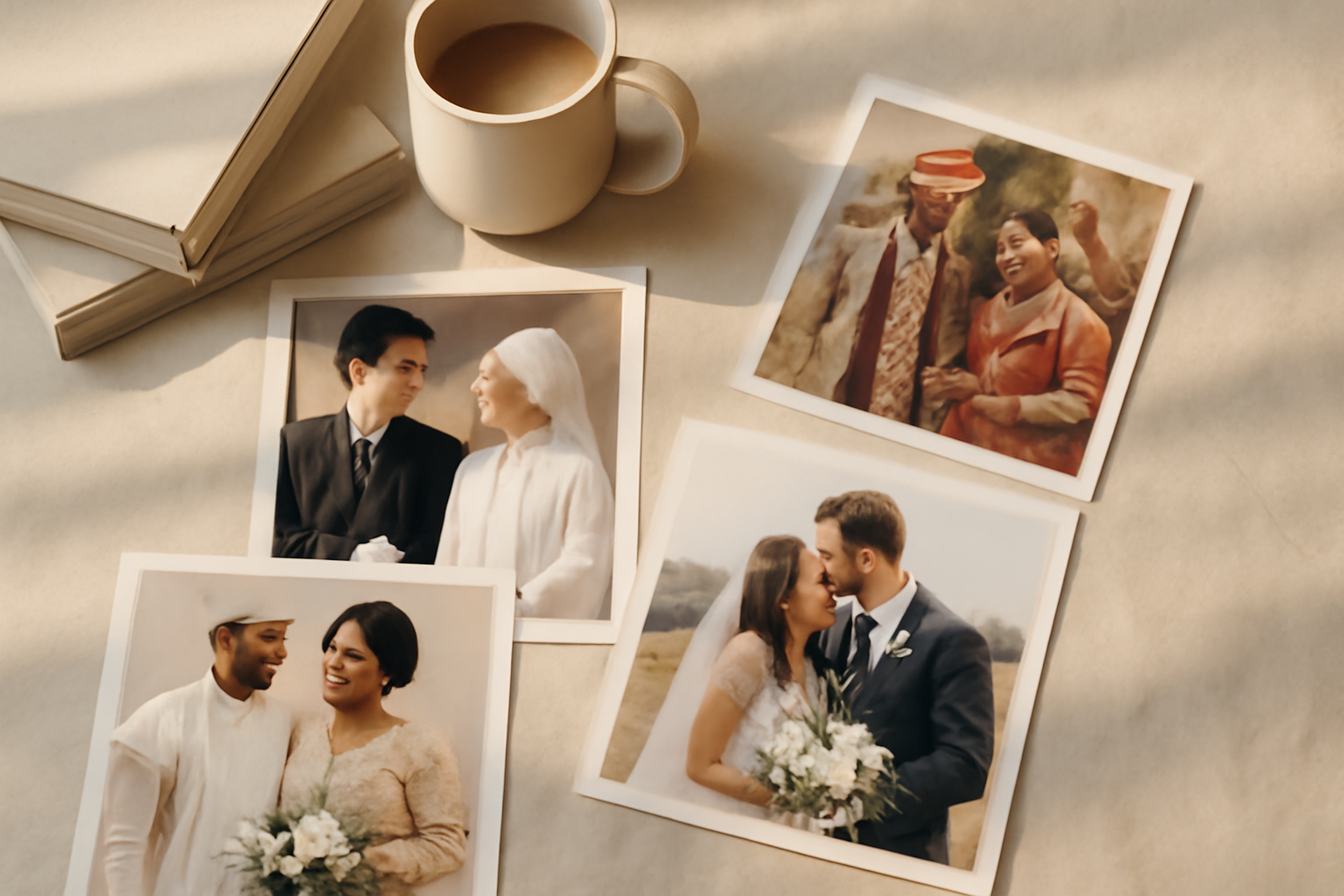
Wedding traditions are a beautiful reflection of cultural values, beliefs, and histories, offering us a glimpse into how different societies celebrate the union of two people. From extravagant ceremonies to intimate gatherings, these traditions vary widely from one culture to another, each adding its unique touch to the celebration of love.
This comprehensive guide will take you through various wedding traditions from around the globe, highlighting their significance and the emotions they evoke. Whether you're planning your own wedding, attending a friend's celebration, or simply curious about cultural practices, this guide is here to inspire and inform.
Table of Contents
The Significance of Wedding Traditions
Understanding the significance of wedding traditions provides insight into their role in society. These customs often symbolize love, commitment, and the blending of families. They can also serve to honor ancestors and cultural heritage.
Wedding traditions vary widely across different cultures and regions, each with its unique meanings and practices. For many, these traditions are not merely ceremonial; they represent deep-rooted beliefs and values that have been passed down through generations. Embracing these customs can enhance the emotional depth of the wedding experience, making it even more memorable for everyone involved.
Here are some key aspects to consider regarding the significance of wedding traditions:
1. Symbolism of Love and Commitment
Many wedding traditions are rich in symbolism, representing the love and commitment between partners. For example, the exchange of rings is a universal tradition that signifies eternal love. The circular shape of the ring symbolizes infinity, a promise that the couple will love each other without end. Understanding these symbols can help couples appreciate the deeper meanings behind their wedding rituals.
2. Cultural Heritage and Family Bonds
Wedding traditions often reflect cultural heritage, allowing couples to connect with their roots. For instance, in some cultures, specific rituals are performed to honor family lineage, such as the "knot tying" ceremony in Hindu weddings, which symbolizes the union of two families. Couples can choose to incorporate these traditions to celebrate their backgrounds and create a sense of belonging.
3. Honoring Ancestors
Many traditions pay homage to ancestors, reinforcing the importance of family history in the couple's new journey. For example, a "family tree" display at the wedding can illustrate the couple's lineage, showcasing their family's love stories and milestones. This not only honors those who came before but also serves as a reminder of the support system that surrounds the couple as they embark on their new life together.
4. Community and Social Connection
Weddings are often viewed as communal events that bring people together. Traditions such as the "first dance" or "throwing the bouquet" create shared experiences that strengthen social bonds. These moments allow friends and family to celebrate together, reinforcing the idea that marriage is not just a union of two individuals but a joining of families and communities.
5. Personalization of Traditions
While many couples choose to adhere to traditional practices, there is also room for personalization. Couples can modify existing traditions to reflect their unique personalities or relationship dynamics. For instance, instead of a traditional cake cutting, a couple might choose to share a favorite dessert from their first date. This blend of tradition and personal touch can make the wedding feel more authentic and meaningful.
6. Common Mistakes to Avoid
When considering wedding traditions, it's essential to avoid common pitfalls that can detract from their significance:
- Ignoring Cultural Context: Ensure that the traditions you choose are relevant and respectful to your cultural heritage. Misunderstanding or misrepresenting a tradition can lead to unintended offense.
- Overloading with Traditions: While it's tempting to include every tradition, too many can overwhelm the ceremony. Select a few that resonate most with you and your partner.
- Neglecting Personal Preferences: Remember that your wedding should reflect your relationship. Don't feel pressured to follow traditions that don't resonate with you as a couple.
7. Steps to Incorporate Traditions Meaningfully
To incorporate wedding traditions in a way that enhances your ceremony, consider the following steps:
- Research: Look into the traditions of both families and cultures to find meaningful practices that resonate with you.
- Discuss: Have open conversations with your partner about which traditions you both value and want to include.
- Consult Family: Engage family members to gather insights about traditions that are significant to them, ensuring you honor your heritage.
- Personalize: Think of ways to adapt traditions to fit your personalities and relationship story, making them uniquely yours.
- Plan: Make a list of the traditions you want to include and discuss how they will fit into the wedding timeline.
By understanding and thoughtfully incorporating wedding traditions, couples can create a ceremony that is not only beautiful but also deeply meaningful, celebrating love, family, and heritage in a way that resonates with everyone involved.
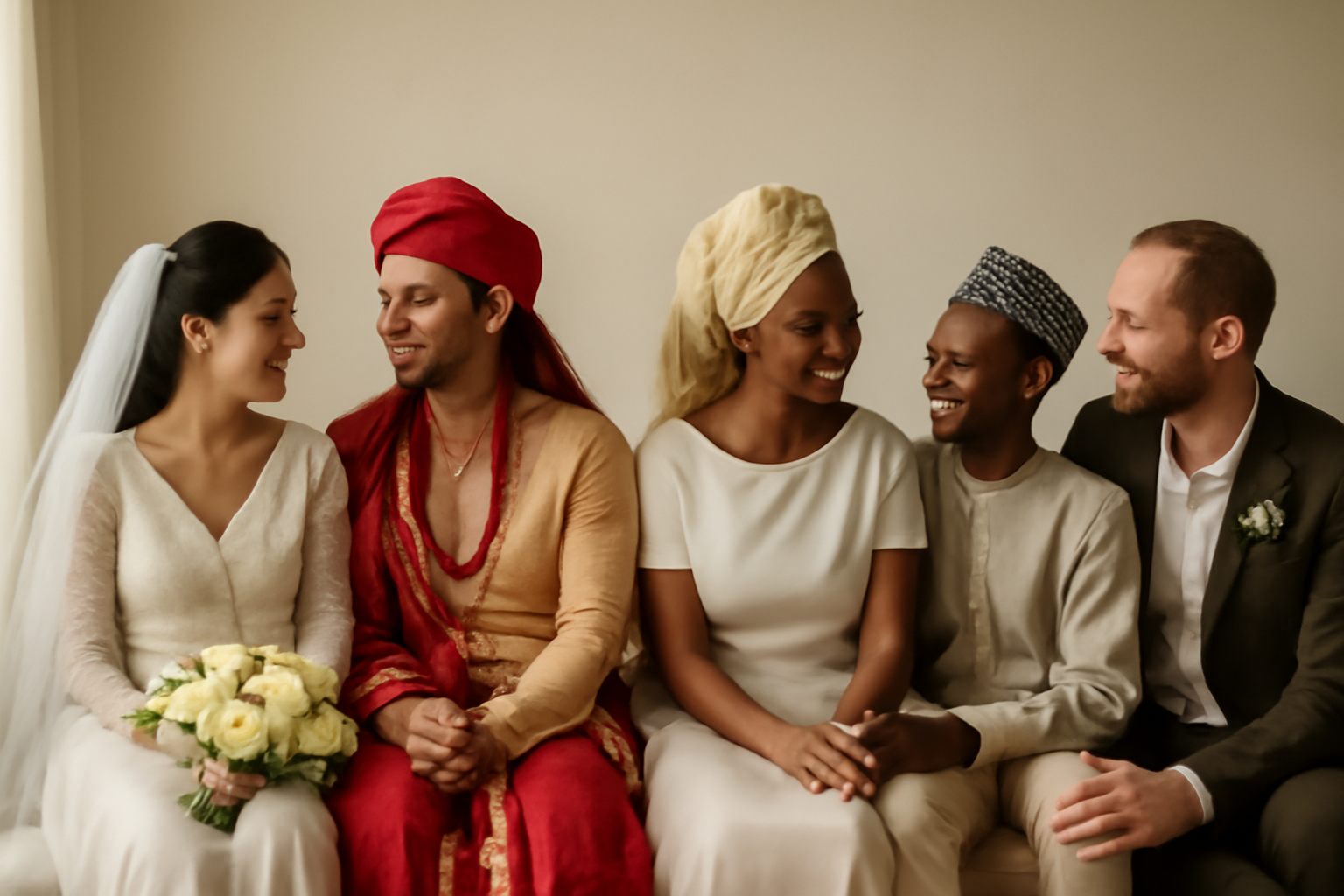
Popular Wedding Traditions in Different Cultures
1. Western Traditions
In many Western cultures, weddings often follow a similar format, with traditions such as the white wedding dress, the exchange of vows, and the cutting of the cake. The concept of the "best man" and "bridesmaids" also originated here, emphasizing the importance of support and companionship.
2. Indian Traditions
Indian weddings are known for their vibrant colors and elaborate ceremonies. The Mehndi (henna) ceremony, where intricate designs are applied to the bride's hands, is a beautiful pre-wedding tradition. During the main ceremony, rituals like Saptapadi, where the couple takes seven steps together, symbolize their journey in marriage.
3. Japanese Traditions
In Japan, Shinto weddings are a blend of traditional customs and spiritual rituals. The couple often wears traditional garments, such as the kimono, and partakes in a sake-sharing ceremony known as "san-san-kudo," representing the union of the couple and their families.
4. African Traditions
African weddings vary widely across the continent, each with distinct customs. For instance, in Zulu culture, the bride may wear a traditional beaded necklace, while in Nigerian weddings, there is often a display of cultural attire and a vibrant celebration involving music and dance.
5. Latin American Traditions
Latin American weddings are filled with lively festivities and rich traditions. In many cultures, the "Las Arras" ceremony involves the groom presenting thirteen coins to the bride, symbolizing his commitment to support her and their future family.
Unique Wedding Traditions
1. The Unity Candle
The lighting of a unity candle is a popular tradition in many Western weddings. This act symbolizes the joining of two lives into one. Typically, both the bride and groom light individual candles before using them to light a larger candle together. This moment not only signifies their union but also serves as a beautiful visual representation of their commitment.
To incorporate this tradition into your wedding, consider the following steps:
- Select Your Candles: Choose a set of candles that match your wedding theme. The unity candle is usually larger and can be adorned with personal touches such as engravings or floral decorations.
- Plan the Timing: Decide when during the ceremony you want to perform this act. It often occurs after the vows but before the pronouncement of marriage.
- Involve Family: Some couples choose to have their parents light the individual candles as a way to honor their families and acknowledge the support they've received.
- Practice: If you're nervous about the logistics, practice the lighting beforehand to ensure a smooth experience.
Common mistakes to avoid include forgetting to check if the candles are windproof if your ceremony is outdoors, or not having a lighter handy. This tradition can be made even more special by using a candle that can be kept as a memento of your wedding day.
2. Jumping the Broom
This tradition has roots in African American culture and represents the couple's commitment to their new life together. Jumping over a broom is often performed at the end of the ceremony, symbolizing the sweeping away of the past and the start of a new journey. It's a powerful way to honor heritage and celebrate love.
To include this tradition in your wedding, follow these steps:
- Choose Your Broom: Select a broom that resonates with you. Some couples opt for a decorative broom that fits their wedding theme, while others might use a family heirloom.
- Incorporate Rituals: You can add personal elements, such as having family members bless the broom or decorating it with flowers and ribbons that represent your love story.
- Plan the Moment: Decide where in the ceremony you want to jump the broom. It can be right after the vows or as part of the recessional.
Be mindful of common pitfalls, such as not practicing the jump beforehand, which can lead to awkward moments. This tradition can also be a fun photo opportunity, capturing the joy and excitement of starting your new life together.
3. Throwing the Bouquet
At many weddings, the bride tosses her bouquet to a group of single women. It is believed that the person who catches it will be the next to marry, adding a fun and hopeful element to the celebration. This tradition not only entertains guests but also creates a light-hearted atmosphere.
To execute this tradition effectively, consider the following tips:
- Choose Your Bouquet: Select a bouquet that is easy to throw and catch. Some brides opt for a second, smaller bouquet specifically for this purpose.
- Set the Scene: Make sure to gather all the single ladies in a designated area where they can easily see and catch the bouquet. This can be during the reception or as part of the ceremony.
- Make It Fun: Build excitement by encouraging all the single women to join in and perhaps even share a few lighthearted words about the tradition before the toss.
Common mistakes include not giving enough space for the toss, which can lead to an unexciting or even dangerous moment. To enhance this tradition, consider incorporating a fun twist, like a bouquet that reveals a small prize for the catcher, making it even more memorable.
Modern Adaptations of Wedding Traditions
As society evolves, many couples choose to adapt traditional customs to fit their personal beliefs and lifestyles. This can include incorporating unique elements that reflect their personalities or merging traditions from different cultures.
1. Personalization of Vows
Many couples are opting to write their own vows, which can add a deeply personal touch to the ceremony. This allows them to express their love and commitment in a way that resonates with them, rather than adhering strictly to traditional wording.
2. Themed Weddings
Themed weddings have become increasingly popular, allowing couples to incorporate their interests or shared experiences into their celebrations. Whether it's a rustic outdoor wedding or a vintage-inspired affair, themes can help personalize the event while still honoring traditions.
3. Alternative Ceremonial Elements
Some couples choose to include non-traditional elements, such as handfasting, a unity sand ceremony, or even a ritual that involves their pets. These alternatives can create a more inclusive and tailored experience that reflects the couple's unique journey together.
Choosing the Right Wedding Traditions for You
When it comes to selecting wedding traditions, it's important to consider what resonates with you as a couple. Here are some tips to guide your decision-making process:
1. Reflect on Your Heritage
Consider incorporating traditions from your cultural backgrounds. This not only honors your ancestors but also creates a richer narrative for your wedding day. Start by making a list of traditions from both sides of your family. For instance, if one partner has Italian roots, you might include a traditional Italian wedding cake or a tarantella dance. If the other partner has Irish heritage, consider incorporating handfasting, where the couple's hands are tied together during the ceremony. You can also research regional customs that may not be widely known but hold significance for your families.
Additionally, think about how these traditions can be adapted to fit your personal style. For example, if a traditional wedding attire is important, you might choose to wear a modern version that still pays homage to your heritage. Documenting these traditions in your wedding program can also be a great way to share their significance with your guests.
2. Discuss with Your Partner
Have open conversations with your partner about what traditions are important to you both. This collaboration can lead to a more meaningful and cohesive ceremony. Start by scheduling a dedicated time to discuss your vision for the wedding. Use prompts like, "What traditions did you love growing up?" or "Are there any family customs you feel strongly about?"
As you discuss, consider creating a pros and cons list for each tradition. This can help clarify which ones resonate the most with both of you. Additionally, think about how these traditions can be integrated into different parts of your wedding day, from the ceremony to the reception. For example, if you both value the tradition of a first dance, you could choose a song that holds special meaning for you as a couple. Remember, compromise is key-finding a balance between your preferences can lead to a more personalized celebration.
3. Be Open to New Ideas
Don't hesitate to explore new traditions or create your own. A unique twist on an existing tradition can make your wedding even more memorable. Start by researching modern wedding trends or looking into different cultures for inspiration. For instance, you might consider a unity ceremony that reflects your shared interests, such as planting a tree together or mixing different colored sands. These activities symbolize your commitment and can be a fun way to involve guests.
Another idea is to create a "memory table" where family members can place items that represent their own wedding traditions or significant moments in their lives. This not only honors your loved ones but also adds a personal touch to your event. Additionally, think about incorporating elements from your favorite movies or books that resonate with your love story. Perhaps you could write your own vows inspired by a beloved novel or include a reading from a poem that speaks to your relationship.
Finally, keep in mind that it's okay to break away from tradition entirely. If you feel that certain customs don't align with your values or personalities, feel empowered to skip them. The most important thing is that your wedding reflects who you are as a couple, creating a day that is both meaningful and enjoyable for you and your guests.
Conclusion: Celebrating Love Through Tradition
Wedding traditions are more than just structured rituals-they are vibrant expressions of love, culture, and community. By understanding and embracing these customs, couples can create a wedding experience that is not only memorable but also deeply meaningful.
As you navigate the myriad of traditions available, remember that the best approach is one that reflects your personal values and shared vision as a couple. Whether you choose to follow time-honored customs or forge your own path, the ultimate goal is to celebrate your love in a way that feels genuine and joyful.
To help you along this journey, here are some practical steps and tips to consider as you incorporate wedding traditions into your special day:
1. Research and Reflect
Start by researching various wedding traditions from different cultures and communities. Consider the following:
- Family Traditions: Talk to family members about any customs that hold significance for them. You might discover heartwarming rituals that have been passed down through generations.
- Cultural Influences: Explore traditions from your cultural background or that of your partner. This can add a rich layer of meaning to your ceremony.
- Personal Values: Reflect on what traditions resonate with you as a couple. Choose those that align with your beliefs and values.
2. Create a Customized Tradition
If you find that existing traditions do not fully capture your relationship, consider creating your own. Here are some ideas:
- Personal Vows: Write your own vows that reflect your unique journey, promises, and commitment to one another.
- Unity Ceremony: Design a unity ceremony that symbolizes your bond, such as planting a tree together or blending different colored sands.
- Memory Table: Set up a memory table during your reception to honor loved ones who cannot be present, showcasing photos and mementos.
3. Thoughtful Gift-Giving
As you prepare for your special day, consider thoughtful gifts that can commemorate these traditions. Here are some ideas:
- Personalized Keepsakes: Create custom mugs, ornaments, or photo albums that highlight your wedding date or a meaningful quote from your vows.
- Experience Gifts: Plan a special date or experience that you can enjoy together after the wedding, such as a cooking class or a weekend getaway.
- Gift for Parents: Consider giving your parents a personalized gift that acknowledges their role in your journey, such as a framed family tree or a heartfelt letter.
4. Common Mistakes to Avoid
While planning your wedding, be mindful of these common pitfalls:
- Ignoring Your Preferences: Don't feel pressured to include traditions that don't resonate with you. Your wedding should reflect your love story.
- Overcomplicating Traditions: Simplicity can often be more meaningful. Choose a few key traditions rather than trying to incorporate everything.
- Neglecting Communication: Keep an open dialogue with your partner about your ideas and preferences to ensure you are both on the same page.
Ultimately, your wedding is a celebration of your love, and the traditions you choose to include should enhance that celebration. By thoughtfully selecting and personalizing your approach to wedding traditions, you can create a day that not only honors your relationship but also leaves lasting memories for you and your loved ones.
Incorporating these elements into your wedding planning will ensure that your special day is not just another event, but a heartfelt celebration of your journey together. Embrace the joy of tradition, and let it guide you in crafting a beautiful, unique experience that reflects who you are as a couple.
- How-to: how to incorporate wedding traditions (coming soon)
- How-to: how to learn wedding traditions (coming soon)
- How-to: how to celebrate wedding traditions (coming soon)
- How-to: how to adapt wedding traditions for modern times (coming soon)
- Problem / Fix: common mistakes in wedding traditions (coming soon)
- Problem / Fix: frustrations with wedding traditions (coming soon)
- Problem / Fix: why wedding traditions can be challenging (coming soon)
- Comparison: wedding traditions versus modern practices (coming soon)
- Comparison: traditional wedding customs compared to contemporary styles (coming soon)
- Scenario: wedding traditions for small ceremonies (coming soon)
- Scenario: wedding traditions when planning a destination wedding (coming soon)
- Buyer decision: how to choose wedding traditions for your ceremony (coming soon)
- Buyer decision: considerations for selecting wedding traditions (coming soon)
- FAQ: what are the most popular wedding traditions (coming soon)
- FAQ: understanding the significance of wedding traditions (coming soon)