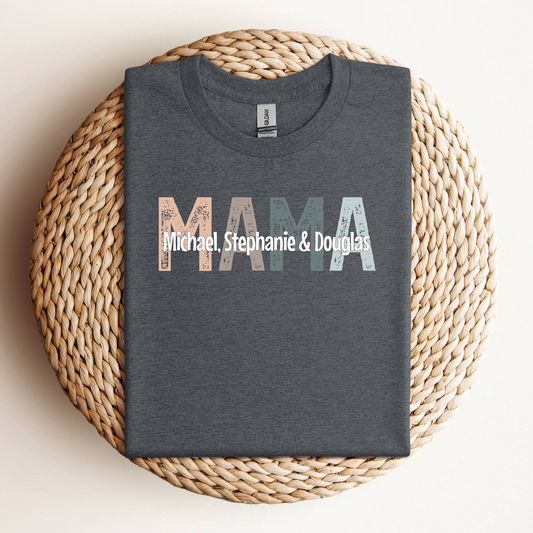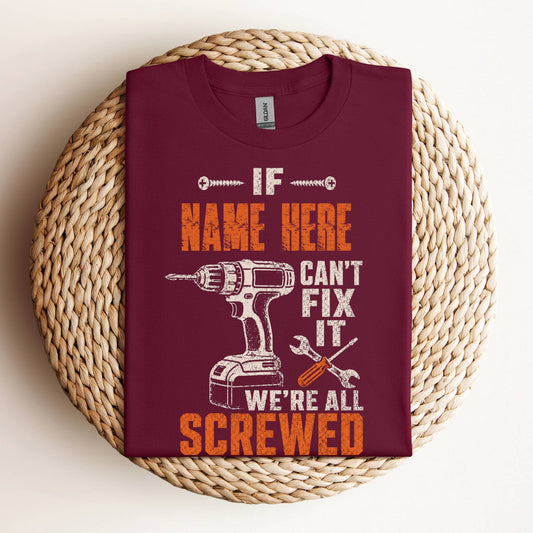

Gift-giving can be a delightful experience, especially when you want to make a lasting impression. As you plan for birthdays, anniversaries, or even "just because" moments, the choice between custom gifts for occasions and traditional gifts can be significant. Understanding the differences can help you select a gift that resonates with the recipient and the occasion.
In this comparison, we'll explore the unique features of personalized gifts and traditional options, weighing their benefits and trade-offs. Whether you're searching for personalized gifts for special occasions or contemplating the reliability of traditional gifts, this guide will provide clarity on what to choose.
Table of Contents
Defining Custom Gifts for Occasions
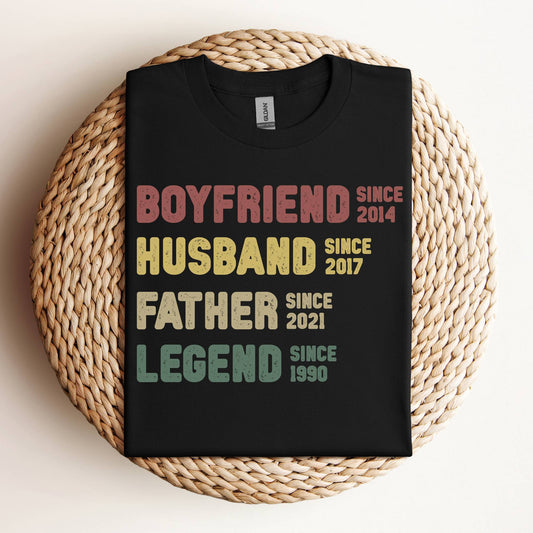
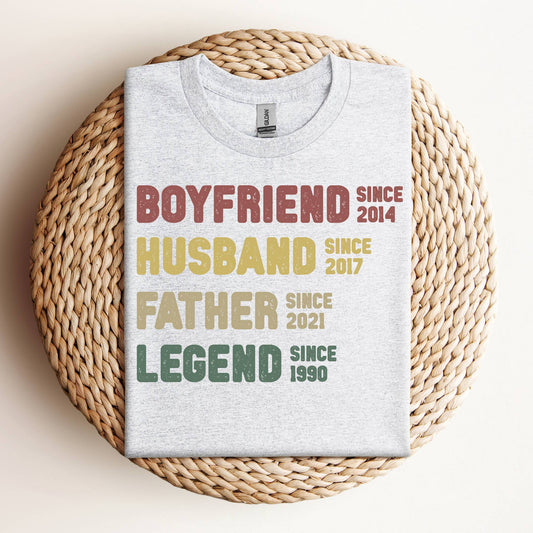
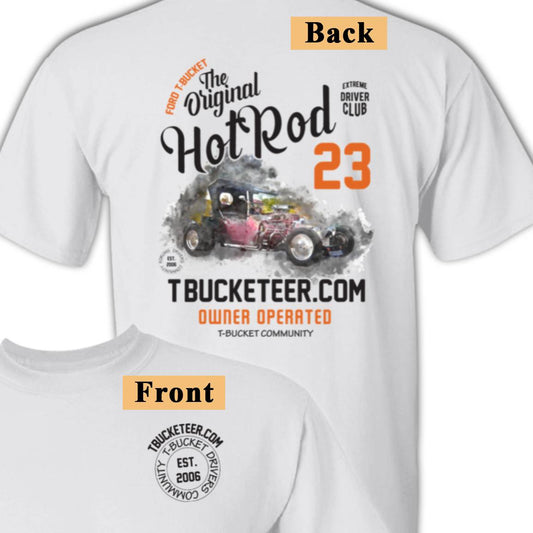
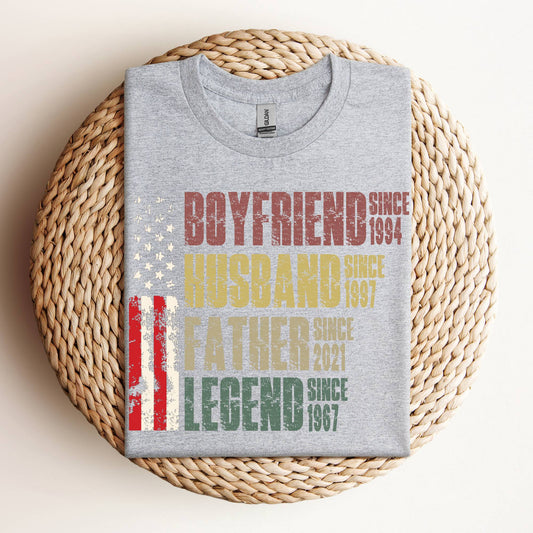
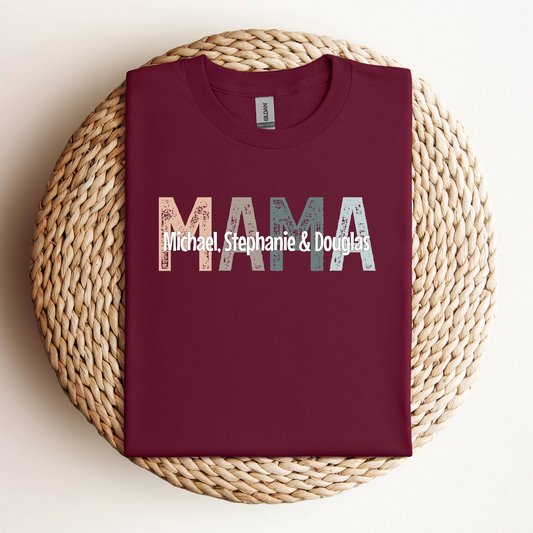
Custom gifts for occasions are tailored specifically to the recipient, often reflecting personal memories, interests, or milestones. These gifts can include everything from engraved jewelry to customized home décor, making them a unique choice for any celebration. Unlike traditional gifts, which may be generic and impersonal, custom gifts carry a deeper meaning, making them more memorable and significant.
Benefits of Custom Gifts
- Personal Touch: Custom gifts show thoughtfulness, as they are designed with the recipient in mind. For example, a personalized photo album filled with shared memories can evoke emotions and nostalgia, making the gift truly special.
- Memorability: These gifts can become cherished keepsakes, often associated with special moments. A custom piece of jewelry inscribed with a meaningful date or message can serve as a constant reminder of a significant life event, such as an anniversary or graduation.
- Versatility: They can be tailored for any occasion, from weddings to birthdays to holidays. For instance, a custom-made puzzle featuring a family photo can be a fun and engaging gift for a family reunion, while a personalized mug can brighten someone's day at the office.
Choosing the Right Custom Gift
When selecting a custom gift, consider the recipient's personality and preferences. Here are some steps to guide you: choosing meaningful gifts.
- Identify the Occasion: Determine the reason for the gift. Is it a birthday, wedding, or a "just because" moment? This will help narrow down your options.
- Know Your Recipient: Think about what the person enjoys. Do they have hobbies, favorite colors, or specific interests? For example, a gardening enthusiast might appreciate a personalized planter or garden tool.
- Set a Budget: Custom gifts can vary widely in price. Establish a budget that allows you to choose a quality item without overspending.
- Select the Customization: Decide how you want to personalize the gift. This could include names, dates, quotes, or even images. Make sure the customization is meaningful and relevant to the recipient.
- Consider Presentation: The way a gift is presented can enhance its impact. Think about how to wrap or present the custom gift to make it even more special.
Common Mistakes to Avoid
While custom gifts are a fantastic choice, there are some pitfalls to watch out for:
- Rushing the Process: Custom gifts often require time for creation and delivery. Avoid leaving it until the last minute to ensure you receive the gift on time.
- Overlooking Quality: Always choose reputable vendors when ordering custom gifts. A poorly made item can detract from the sentiment behind the gift.
- Ignoring the Recipient's Taste: Ensure that the customization aligns with the recipient's preferences. A gift that doesn't resonate with them may not be appreciated, no matter how thoughtful it is.
By understanding the essence of custom gifts for occasions, you can create meaningful experiences that resonate with the recipient and celebrate the moments that matter most. Whether it's a heartfelt keepsake or a fun personalized item, the right custom gift can leave a lasting impression.
Exploring Traditional Gifts
Traditional gifts, on the other hand, are more conventional and widely accepted options. These might include items like clothing, gift cards, or standard home goods. While they may not have a personal touch, they often come with their own set of advantages. Understanding these advantages can help you make informed decisions when selecting gifts for various occasions.
Advantages of Traditional Gifts
- Convenience: Traditional gifts can be easier to purchase, especially with pre-made options readily available. For example, you can find gift cards at almost any retail store or online, making them a quick and hassle-free choice. Additionally, items like clothing or home goods can often be found in bulk, allowing for straightforward shopping.
- Broad Appeal: These gifts often have a universal appeal and can be suitable for a wide range of recipients. A classic gift like a nice bottle of wine or a box of chocolates can be appreciated by anyone, regardless of their personal tastes. This makes traditional gifts a safe choice when you're unsure about the recipient's preferences.
- Cost-Effective: Traditional gifts can sometimes be more affordable and accessible. For example, seasonal sales and holiday promotions often make popular gifts like candles, picture frames, or kitchen gadgets more budget-friendly. Additionally, buying in bulk for multiple occasions can lead to savings over time.
Common Traditional Gift Types
When considering traditional gifts, it's helpful to know the most common types that fit various occasions. Here are some popular categories:
- Gift Cards: Perfect for birthdays, holidays, or as a thank-you gesture. Choose cards from popular retailers or restaurants to ensure the recipient can find something they love.
- Clothing: Items like scarves, hats, or cozy sweaters are great for winter holidays or birthdays. Opt for neutral colors or classic styles to appeal to a wider audience.
- Home Goods: Essentials like kitchen gadgets, decorative items, or cozy blankets can make thoughtful gifts for housewarmings or weddings. Consider the recipient's taste and home decor style.
- Food and Beverage: Gourmet gift baskets, fine wines, or artisanal chocolates are excellent for celebratory occasions such as anniversaries or holidays. These gifts can be shared and enjoyed, making them a hit at gatherings.
Tips for Choosing Traditional Gifts
While traditional gifts are often straightforward, here are some tips to enhance your selection process:
- Know the Recipient: Understanding the recipient's interests and preferences can elevate a standard gift into something more meaningful. If they love cooking, consider high-quality kitchen tools or gourmet ingredients.
- Consider the Occasion: Tailor your gift to the specific event. A thoughtful gift for a wedding might differ significantly from one for a birthday. Think about the context and what would be most appropriate.
- Set a Budget: Traditional gifts can range widely in price. Determine your budget beforehand to narrow down your options and avoid overspending.
- Presentation Matters: Even traditional gifts can feel special with the right presentation. Invest time in wrapping or choosing a beautiful gift bag to enhance the unboxing experience.
Common Mistakes to Avoid
While selecting traditional gifts, be aware of these common pitfalls:
- Choosing Generic Gifts: While convenience is key, avoid opting for overly generic gifts that lack thought. A simple gift card can be upgraded to a more personalized experience by pairing it with a handwritten note or a small token that reflects the recipient's interests.
- Ignoring Personal Preferences: Failing to consider the recipient's likes and dislikes can lead to gifts that miss the mark. Always try to incorporate something that resonates with their personality.
- Overlooking Quality: In an effort to save money, don't compromise on quality. A poorly made item can send the wrong message about how much you value the recipient.
By understanding the advantages and nuances of traditional gifts, you can make thoughtful choices that resonate with your loved ones, ensuring that your gift is both appreciated and cherished.
Key Differences in Custom vs Traditional Gifts
| Feature | Custom Gifts | Traditional Gifts |
|---|---|---|
| Personalization | Highly personalized | Standardized |
| Emotional Value | High emotional impact | Moderate emotional impact |
| Availability | May require lead time | Widely available |
| Suitability | Ideal for special occasions | Suitable for general gifting |
1. Personalization
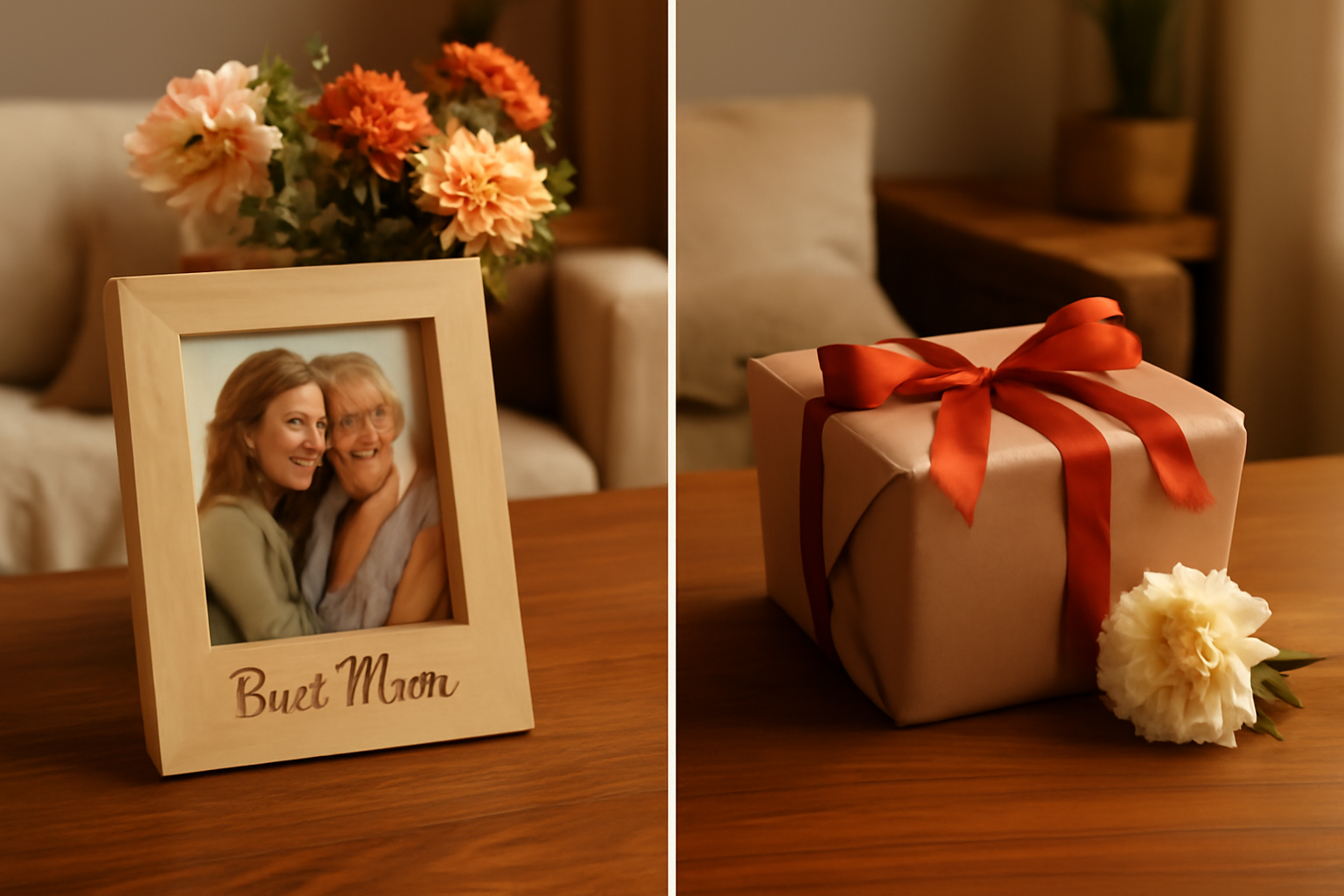
Custom gifts are all about the personal touch. They can be tailored to reflect the recipient's personality, interests, or shared memories. For example, a custom piece of jewelry engraved with a significant date or a photo book filled with cherished moments can make the gift uniquely special. In contrast, traditional gifts like gift cards or pre-packaged items lack this level of personalization, often leading to a less meaningful experience for the recipient. **Checklist for Personalizing Gifts:** - Identify the recipient's interests and hobbies. - Think of shared memories or inside jokes. - Consider the occasion and what would resonate most. - Choose materials or styles that reflect the recipient's taste. **Common Mistakes:** - Not considering the recipient's preferences. - Overcomplicating the personalization, making it less relatable. - Waiting until the last minute to personalize, leading to rushed decisions.2. Emotional Value
The emotional impact of custom gifts often surpasses that of traditional gifts. A custom gift shows thoughtfulness and effort, which can significantly enhance the emotional connection between the giver and the recipient. For instance, a hand-painted mug with a personal message can evoke fond memories every time the recipient uses it, while a generic gift might be quickly forgotten. **Ways to Increase Emotional Value:** - Include a heartfelt note explaining the significance of the gift. - Choose items that symbolize your relationship or shared experiences. - Opt for gifts that create lasting memories, like experience-based gifts. **Common Mistakes:** - Failing to explain the significance behind the gift. - Choosing items that are too generic, even if they are custom. - Underestimating the power of a personal touch, like a handwritten note.3. Availability
Custom gifts often require advanced planning and time to create, which can be a drawback if you're in a rush. On the other hand, traditional gifts can be found in stores or online without much lead time, making them convenient for last-minute occasions. However, it's important to remember that the extra time invested in custom gifts can lead to a more meaningful outcome. **Tips for Managing Availability:** - Plan ahead and order custom gifts well in advance of the occasion. - Research the production and shipping times for custom items. - Consider local artisans or shops that offer quicker turnaround times. **Common Mistakes:** - Waiting until the last minute to order custom gifts. - Not checking lead times before committing to a custom order. - Overlooking local options that may expedite the process.4. Suitability
Custom gifts shine during special occasions such as weddings, anniversaries, or milestone birthdays, where a personal touch can make the celebration even more memorable. Traditional gifts, while versatile, may not convey the same level of thoughtfulness for these significant moments. However, they can be perfect for casual gifting situations or when the recipient's preferences are less known. **Considerations for Suitability:** - Assess the occasion and the recipient's relationship to you. - Determine whether a personal touch would enhance the gift-giving experience. - Think about the context-formal events may call for more personalized gifts. **Common Mistakes:** - Choosing a traditional gift for a significant occasion that calls for something more personal. - Not considering the relationship dynamics when selecting a gift type. - Overlooking the importance of the occasion in the gift selection process.Which Option Fits You?
Deciding between custom gifts and traditional gifts often comes down to the occasion and your relationship with the recipient. Here are some scenarios to consider:
When to Choose Custom Gifts
- Special Milestones: If you are celebrating a significant life event, like a wedding or graduation, personalized gifts can add sentimental value.
- Unique Relationships: For close friends or family, gifts that reflect shared memories or inside jokes can strengthen your bond.
- Creative Expressions: If you enjoy crafting or have a knack for design, creating something custom can be fulfilling and meaningful.
When to Opt for Traditional Gifts
- Last-Minute Needs: If you're in a rush or need a gift quickly, traditional options are often more accessible.
- Corporate Gifting: For business associates or acquaintances, traditional gifts like gift cards might be more appropriate.
- Budget Constraints: If you're working within a tight budget, traditional gifts may offer more options without breaking the bank.
Making the Right Choice
Ultimately, the decision between custom gifts for occasions and traditional gifts hinges on the recipient and the context of the occasion. Think about what would resonate more with the person you're gifting to. A personalized Coquette Mug, for example, could be a charming way to celebrate a friend's promotion, while a classic gift card might suffice for a casual acquaintance.
Consider the Recipient's Personality
Understanding the recipient's personality is crucial in making the right choice. Here are some tips to help you gauge their preferences:
- Hobbies and Interests: Does the person have a hobby they are passionate about? Consider gifts that align with those interests. For example, if they love gardening, a custom engraved garden tool set could be perfect.
- Sentimental Value: Think about experiences you've shared. A custom photo album filled with memories from your time together can evoke nostalgia and warmth.
- Style Preferences: Pay attention to their style. Do they prefer modern aesthetics or classic designs? A custom piece of jewelry that matches their taste can be more meaningful than a traditional piece.
Evaluate the Occasion
The nature of the occasion can also influence your choice. Here's a breakdown of different occasions and suitable gift types:
- Birthdays: For close friends or family, a custom gift like a personalized calendar featuring family photos or significant dates can be a hit. For acquaintances, a traditional gift like a nice bottle of wine or a gift card might be more appropriate.
- Weddings: Custom gifts, such as personalized cutting boards or monogrammed towels, can add a personal touch to a couple's new life together. Traditional gifts like cash or registry items are also valuable and appreciated.
- Anniversaries: Consider custom gifts that celebrate shared milestones, like a custom piece of art featuring the coordinates of where they first met. Traditional gifts, such as jewelry or a romantic dinner, can also be great options.
Practical Steps to Decide
To simplify your decision-making process, follow these practical steps:
- Make a List: Write down the recipient's likes, dislikes, and any significant moments you've shared. This will help you visualize what type of gift would be most meaningful.
- Set a Budget: Determine how much you're willing to spend. Custom gifts can sometimes be pricier, so it's important to balance quality with your budget.
- Research Options: Look for custom gifts that fit your recipient's personality and the occasion. Websites like Salty Moon Dog offer a variety of personalized items that could spark inspiration.
- Ask for Opinions: If you're unsure, don't hesitate to ask mutual friends or family members for their input. They might have insights that can guide your choice.
Common Mistakes to Avoid
When choosing between custom and traditional gifts, be mindful of these common pitfalls:
- Overlooking the Recipient's Taste: Ensure that the gift aligns with the recipient's preferences. A custom gift that doesn't resonate can feel forced.
- Ignoring the Occasion's Tone: Consider the formality of the occasion. A playful custom gift may not be suitable for a formal event.
- Delaying the Decision: Custom gifts often require more time for creation and delivery. Plan ahead to avoid last-minute stress.
By thoughtfully considering the recipient and the occasion, you can make a more informed decision that will lead to a memorable gift-giving experience. Whether you choose a custom gift that tells a story or a traditional gift that fulfills a need, the effort you put into selecting the right gift will surely be appreciated.
Conclusion
In the world of gift-giving, choosing the right type is essential for making a lasting impression. Whether you decide on custom gifts or traditional gifts, remember that the thought behind the gift is what truly matters. Take time to reflect on the recipient's personality, the occasion, and your relationship to make the most thoughtful choice. To explore your options further, consider browsing some thoughtful gift ideas that align with your gifting needs.
Reflecting on Your Choices
As you contemplate the differences between custom and traditional gifts, it's helpful to ask yourself a few key questions:
- What is the occasion? Consider whether the gift is for a birthday, anniversary, holiday, or a "just because" moment.
- What does the recipient value? Think about their interests, hobbies, and preferences. Are they sentimental or practical?
- What is your relationship with the recipient? Gifts for close friends may differ significantly from those for coworkers or acquaintances.
Making the Right Choice
Here's a simple checklist to guide you in making the right choice between custom and traditional gifts:
- Brainstorm Ideas: Write down a list of potential gifts. Include both custom and traditional options.
- Assess Your Budget: Determine how much you're willing to spend. Custom gifts can vary widely in price, while traditional gifts may have more fixed costs.
- Consider Timeliness: Custom gifts may require more time to create or deliver. Ensure you allow enough time for personalization.
- Think About Presentation: Custom gifts often come with unique packaging options that can enhance the overall experience. Consider how you will present your gift.
- Seek Feedback: If you're unsure, consult with mutual friends or family members who know the recipient well.
Avoiding Common Mistakes
When deciding on a gift type, be mindful of these common pitfalls:
- Choosing a generic gift: Avoid selecting something that feels impersonal, especially if you opt for a traditional gift.
- Overlooking personalization: If you go for a traditional gift, consider adding a personal touch, such as a handwritten note or a special wrapping.
- Ignoring the recipient's taste: Ensure that the gift aligns with what the recipient would appreciate, rather than what you think is nice.
- Rushing the decision: Take the time to think through your choice; a rushed decision may lead to regret.
Final Thoughts
Ultimately, both custom and traditional gifts have their own charm and significance. Custom gifts allow for a personal touch that can make the recipient feel special and appreciated, while traditional gifts often carry a sense of reliability and familiarity. The key is to find a balance that resonates with both you and the recipient. No matter what you choose, the act of giving itself is a beautiful expression of thoughtfulness and love. Happy gifting!