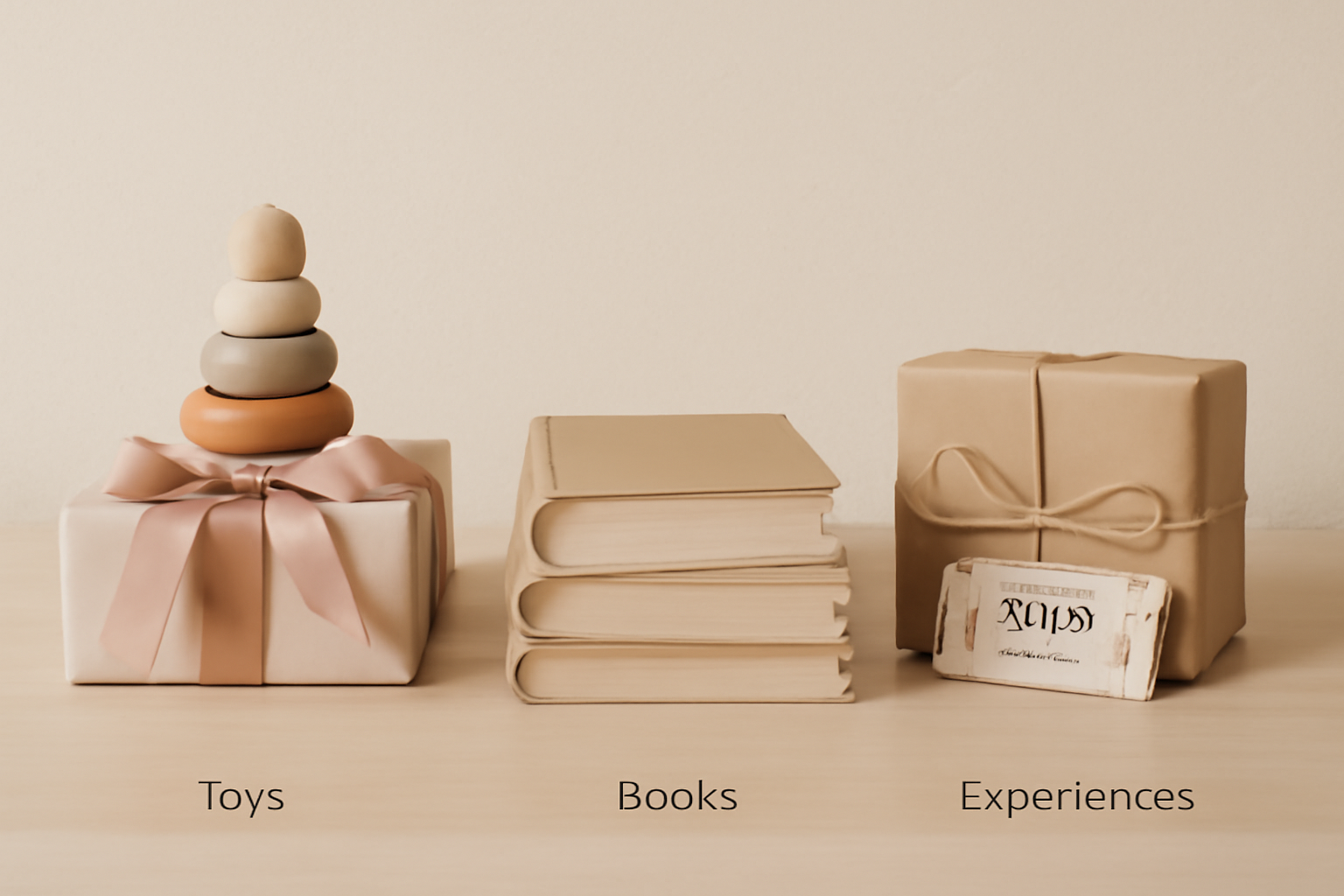
Choosing the perfect birthday gift for kids can be a delightful yet challenging task. With so many options available, it's essential to assess what will bring joy and be meaningful for the little ones in your life. In this post, we'll explore three popular categories of birthday gifts: toys, books, and experiences. Each option has its own unique benefits and considerations. fixing gift-giving anxiety.
By comparing these gift types, you can make an informed decision that aligns with the child's interests and your gifting intentions. Let's dive into the details!
Table of Contents
Toys: The Classic Choice
Toys have been a staple of childhood for generations. They are often the first gifts that come to mind when celebrating a birthday. From action figures to building sets, toys encourage creativity and imaginative play. With so many options available, selecting the right toy can feel overwhelming, but understanding the types of toys and their benefits can help narrow down your choices. The Ultimate Guide to Thoughtful Birthday Gifts.
When considering toys as birthday gifts, think about the child's interests, age, and developmental stage. This can ensure that the toy not only entertains but also supports their growth. Here are some practical tips for choosing the perfect toy, along with a few examples to inspire your gift-giving. gift-giving challenges.
Pros of Gifting Toys
- Encourages active play and physical engagement.
- Can be educational, promoting skills like problem-solving and motor skills.
- Provides entertainment over time, often leading to cherished memories.
- Fosters social skills when children play together.
- Offers a wide range of options to suit different interests and personalities.
Cons of Gifting Toys
- Can take up space and may contribute to clutter.
- Some toys may not hold the child's interest for long.
- Age appropriateness can be tricky; it's crucial to check recommendations.
- Quality can vary significantly; cheaper toys may break easily or pose safety risks.
- Trends can change rapidly, making some toys quickly outdated.
How to Choose the Right Toy
Choosing the right toy involves a few key steps to ensure that your gift will be appreciated and used. Here's a simple checklist to guide your decision:
- Know the Child's Interests: Pay attention to what the child enjoys. Do they like building things, playing pretend, or being outdoors? Tailoring your gift to their interests will make it more special.
- Consider the Age Range: Always check the age recommendations on the toy packaging. Toys that are too advanced can frustrate a child, while those that are too simple may bore them.
- Look for Educational Value: Many toys offer learning opportunities. For example, building blocks can enhance spatial skills, while puzzles can help with problem-solving.
- Check for Safety: Ensure the toy is safe for the child's age group. Avoid toys with small parts for younger children, and look for non-toxic materials.
- Think Long-Term: Opt for toys that can grow with the child. For instance, a set of LEGO bricks can be used in various ways as a child's creativity evolves.
Popular Toy Categories
Here are some popular categories of toys that are often well-received as birthday gifts:
- Building Sets: LEGO and similar construction toys encourage creativity and fine motor skills.
- Action Figures and Dolls: These allow for imaginative play and storytelling, fostering social skills.
- Board Games: Great for family bonding, they can also teach strategy and teamwork.
- Outdoor Toys: Items like bikes, scooters, or sports equipment promote physical activity and outdoor play.
- Arts and Crafts Supplies: Encourage creativity and self-expression with items like coloring books, paints, and modeling clay.
Common Mistakes to Avoid
When gift shopping for toys, here are some common pitfalls to watch out for:
- Ignoring the Child's Preferences: Always consider what the child actually likes rather than what you think is cool or fun.
- Overlooking Safety Information: Make sure to read labels and reviews regarding safety and quality to avoid gifting hazardous items.
- Choosing Trendy Items: Trends can fade quickly; opt for classic toys that have stood the test of time.
- Buying Toys Without a Purpose: Aim for toys that promote engagement, creativity, or learning rather than just filling space.
By taking these factors into account, you can select a toy that not only delights the birthday child but also contributes to their development and happiness. Remember, the best gifts are those that spark joy and create lasting memories!
Books: A World of Imagination
Books are a wonderful gift that opens up a world of imagination and knowledge. They foster a love for reading from an early age and can be enjoyed repeatedly, providing both entertainment and education. When selecting a book for a child, consider their age, interests, and reading level to ensure the gift is both enjoyable and appropriate.
Pros of Gifting Books
- Encourages literacy and language development. Reading helps with vocabulary expansion and comprehension skills, laying a solid foundation for academic success.
- Can be shared as a family activity, promoting bonding. Reading together creates shared experiences and memories, making it a fantastic way for parents and children to connect.
- Offers endless themes and genres to cater to different interests. From adventure and fantasy to science and history, there's a book for every child's unique passion.
Cons of Gifting Books
- Some children may not be as interested in reading. If a child prefers interactive or visual play, a book might not capture their attention as effectively as other gifts.
- With so many options, it's essential to choose titles that resonate. Selecting a book that aligns with a child's interests can be challenging, especially with the vast array of choices available.
- Physical books can be damaged easily, especially with younger kids. Consider the durability of the book, as some children may not handle books with care.
Tips for Choosing the Right Book
To ensure your book gift is a hit, keep the following tips in mind:
- Know the Child's Interests: Pay attention to what themes or subjects excite the child. If they love dinosaurs, seek out engaging dinosaur-themed books.
- Consider Age Appropriateness: Ensure the book matches the child's reading level. Picture books are great for younger kids, while chapter books suit older children.
- Look for Award Winners: Books that have received awards often have proven quality and appeal. Look for Caldecott or Newbery Medal winners as a reliable choice.
- Read Reviews: Online reviews and recommendations from other parents can help you gauge the popularity and suitability of a book.
Popular Book Categories
Here are some popular categories of books that make great gifts:
- Picture Books: Ideal for toddlers and preschoolers, these books often have vibrant illustrations and simple stories that capture young imaginations.
- Early Readers: These are perfect for children who are just starting to read independently. They feature simple sentences and engaging stories.
- Chapter Books: Suitable for kids aged 7 and up, these books introduce more complex narratives and character development.
- Non-Fiction: For curious minds, non-fiction books about animals, space, or history can be both educational and fascinating.
- Activity Books: These include puzzles, coloring books, and interactive stories that keep children engaged and entertained.
Common Mistakes to Avoid
When gifting books, avoid these common pitfalls:
- Ignoring the Child's Preferences: Make sure to consider what the child enjoys rather than just choosing a popular book.
- Choosing Books Too Advanced: Selecting a book that is too difficult can frustrate a young reader, discouraging them from reading altogether.
- Forgetting to Personalize: Adding a personal touch, like a handwritten note or inscription, can make the gift more special and memorable.
Conclusion
Books can be a delightful and meaningful gift for children, nurturing their imaginations and fostering a lifelong love of reading. By choosing wisely and considering the child's interests and reading level, you can ensure your gift will be cherished for years to come.
Experiences: Memories Over Material
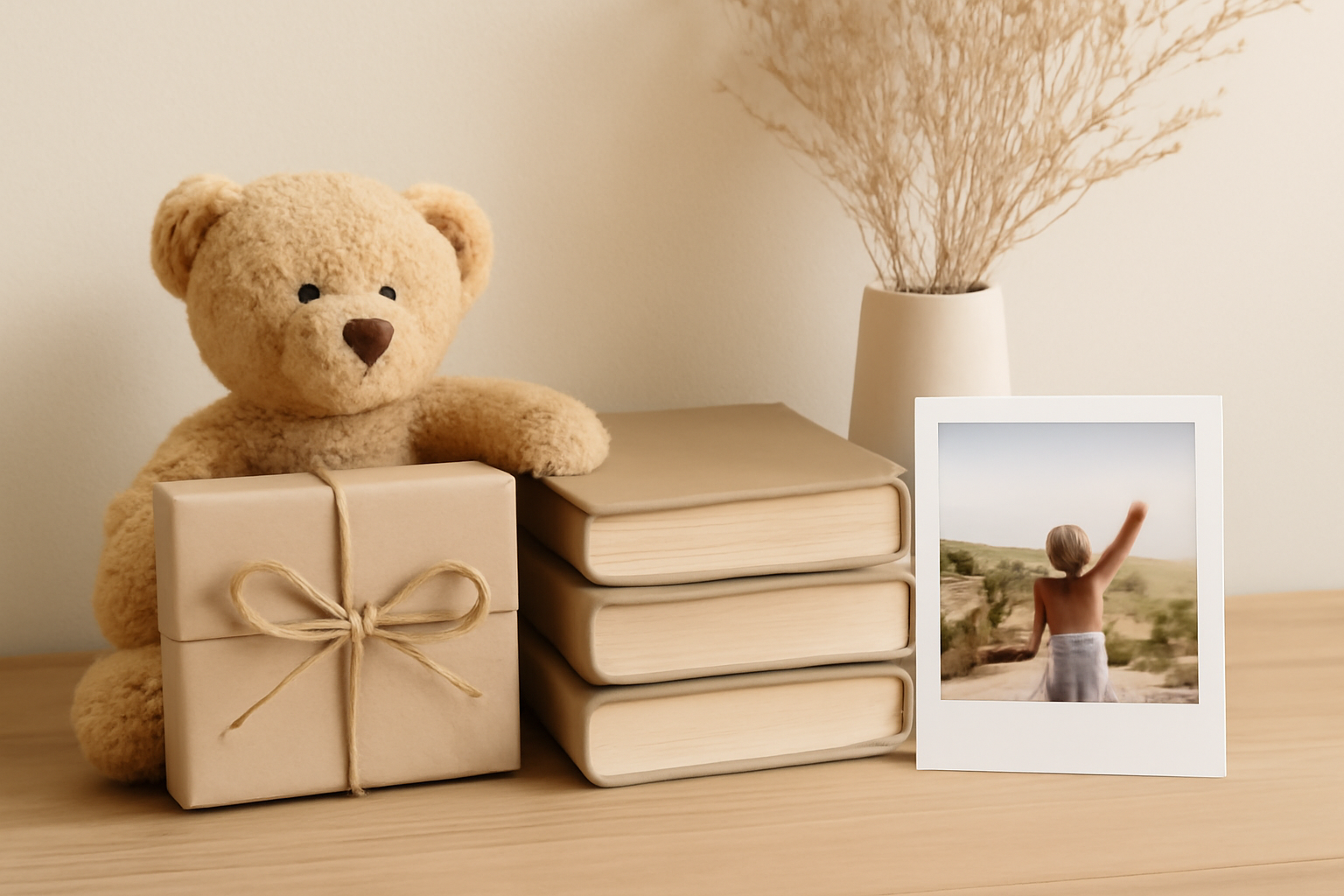
Giving the gift of an experience can create lasting memories that far exceed any physical item. Whether it's a trip to an amusement park or a cooking class, experiences offer unique opportunities for fun and learning. Kids often remember the joy of an adventure much longer than the novelty of a toy. This section explores various types of experiences you can gift, how to plan them, and tips for making the most out of these memorable moments.
Types of Experiences to Gift
- Adventure Outings: Consider activities like zip-lining, rock climbing, or a day at a trampoline park. These can be thrilling and help kids develop new skills.
- Creative Workshops: Enroll them in art classes, pottery making, or dance lessons. Such experiences can foster creativity and self-expression.
- Educational Experiences: Think about museum memberships, science camps, or nature excursions. These can be both fun and informative, sparking a love for learning.
- Family Getaways: Plan a weekend trip to a nearby city or nature reserve. Quality time spent together can strengthen family bonds.
- Seasonal Activities: Gift experiences tied to the season, like ice skating in winter or beach days in summer. These can become cherished traditions.
Planning the Perfect Experience
To ensure your experience gift goes off without a hitch, follow these steps:
- Identify Interests: Consider what the child enjoys. Are they adventurous, artistic, or curious? Tailor the experience to their passions.
- Research Options: Look for local activities that fit your budget and the child's age. Websites, social media, and community boards can be great resources.
- Check Availability: Once you have a few options, confirm dates and times. Some experiences may require advance booking, especially during peak seasons.
- Prepare the Child: Build excitement by sharing what they can expect. Discuss any necessary preparations, like appropriate clothing or items to bring.
- Capture the Moment: Bring a camera or smartphone to document the experience. These photos will serve as wonderful reminders of the day.
Making the Most of the Experience
To truly maximize the impact of your experiential gift, consider these tips:
- Be Present: If you're joining in on the experience, put away distractions. Engage fully with the child to enhance their enjoyment.
- Encourage Participation: Prompt the child to take part actively, whether it's trying a new dish in a cooking class or asking questions at a museum. This involvement can deepen their connection to the experience.
- Follow Up: After the experience, talk about it together. What was their favorite part? What did they learn? This reflection can help solidify the memory.
Common Mistakes to Avoid
While gifting experiences can be rewarding, there are pitfalls to watch out for:
- Ignoring Age Appropriateness: Ensure the experience is suitable for the child's age and maturity level. Some activities may be too intense or not engaging enough.
- Overlooking Details: Don't forget to check the fine print, such as age restrictions or required waivers. Missing these can lead to disappointment.
- Not Considering Their Preferences: Avoid experiences that clash with the child's interests. For instance, a shy child may not enjoy a public performance.
- Failing to Plan Ahead: Last-minute bookings can lead to limited options or higher costs. Plan your gift in advance to ensure the best experience.
By considering these factors, you can give a gift that not only delights but also fosters growth, learning, and cherished memories. Experiences have the power to become stories that children will share for years to come, making them a truly meaningful gift choice.
Comparison Table of Gift Options
| Gift Type | Pros | Cons |
|---|---|---|
| Toys | Encourages active play, educational, creates lasting memories | Takes up space, may not hold interest, age appropriateness issues |
| Books | Promotes literacy, family bonding, endless themes | Interest variability, choice complexity, physical damage risk |
| Experiences | Lasting memories, encourages new activities, family time | Requires planning, age suitability, potential high cost |
Toys
Toys are often the go-to gift for children, and for good reason. They not only provide entertainment but also foster creativity and physical activity. When selecting toys, consider the following:
- Age Appropriateness: Ensure the toy is suitable for the child's age group. Toys with small parts can be dangerous for younger children.
- Interests: Think about what the child enjoys-action figures, dolls, puzzles, or building sets. Tailoring the gift to their interests increases the chances of it being cherished.
- Durability: Look for toys made from high-quality materials that can withstand rough play. This ensures longevity and reduces waste.
Common mistakes when choosing toys include selecting items that are too advanced or not considering the child's current interests. To avoid this, check with parents for any specific preferences or restrictions.
Books
Books are a fantastic gift option that can be both educational and entertaining. They can introduce children to new worlds and ideas while promoting literacy. Here are some tips for selecting the perfect book:
- Reading Level: Choose books that match the child's reading ability. Early readers benefit from simple texts, while older kids might enjoy chapter books or graphic novels.
- Genre Preferences: Consider the child's interests-fantasy, adventure, science, or even non-fiction topics. This will help keep them engaged.
- Illustrations: For younger children, vibrant illustrations can enhance the reading experience and keep their attention.
Be mindful of the potential for physical damage; consider opting for hardcover books for younger children who may be prone to tearing pages. A common mistake is selecting books that are too advanced, which can lead to frustration rather than enjoyment.
Experiences
Gifting experiences can create unforgettable memories that last a lifetime. From amusement park tickets to art classes, the possibilities are endless. Here are some considerations when choosing an experiential gift:
- Age Suitability: Make sure the experience is appropriate for the child's age and interests. For example, younger children may enjoy a zoo visit, while older kids might prefer a concert or sports event.
- Planning: Consider the logistics involved, such as travel, time, and any necessary reservations. Planning ahead can help ensure a smooth experience.
- Budget: Experiences can vary widely in cost. Set a budget beforehand to narrow down your options and avoid overspending.
One common mistake is underestimating the time and effort required to organize an experience. Ensure that you have all the details sorted out in advance to make the experience enjoyable for everyone involved.
Which Option Fits You?
When deciding on the best birthday gift option for kids, consider the following scenarios:
- For Active Play Enthusiasts: If the child loves to run around and engage in imaginative play, toys may be the perfect fit. Look for options that promote physical activity, such as outdoor games, sports equipment, or interactive toys. For example, a kite can provide hours of fun on a windy day, while a set of building blocks can inspire creativity indoors. Remember to consider the child's age and interests to ensure the toy is safe and engaging.
- For Future Bookworms: If the child enjoys stories and has a budding interest in reading, a thoughtful selection of books will be appreciated. Choose age-appropriate titles that align with their interests, whether it's adventure stories, fantasy, or educational books. You might consider creating a personalized book bundle that includes a mix of new releases and classic favorites. Additionally, you could include a cozy reading nook accessory, like a fun bookmark or a reading pillow, to enhance their reading experience.
- For Creating Lasting Memories: If you want to give a gift that will be remembered, consider an experience, like a special outing or a fun class. Think about activities that cater to the child's interests, such as a trip to a local amusement park, a cooking class, or a pottery workshop. To make it even more special, you can create a "memory kit" that includes a photo album or a scrapbook where they can document the experience. You might also include a small token related to the experience, like a themed sticker or a souvenir, to remind them of the fun they had.
Practical Steps to Choosing the Right Option
To narrow down your choices and select the best gift, follow these practical steps:
- Assess Interests: Start by observing the child's interests and hobbies. Do they prefer outdoor activities, arts and crafts, or reading? This will guide your selection process.
- Set a Budget: Determine how much you're willing to spend. Having a budget in mind can help you filter options and avoid overspending.
- Research Options: Take some time to explore various options online or in stores. Read reviews, compare prices, and check for safety ratings, especially for younger children.
- Ask for Input: If you're unsure, consider asking the child's parents for suggestions. They can provide insight into what the child currently enjoys or needs.
- Personalize the Gift: Whenever possible, add a personal touch. This could be as simple as including the child's name on a book or creating a custom experience that reflects their personality.
Common Mistakes to Avoid
When selecting a birthday gift, be mindful of these common pitfalls:
- Choosing Age-Inappropriate Gifts: Always check the recommended age range on toys and books to ensure they are suitable for the child's developmental stage.
- Ignoring the Child's Preferences: Avoid selecting gifts based solely on trends or what you think is "cool." Focus on what the child genuinely enjoys.
- Overlooking the Importance of Experience: Remember that sometimes the most cherished gifts are experiences rather than physical items. Don't shy away from giving the gift of time and adventure.
- Forgetting to Include a Note: A thoughtful note can enhance any gift. Include a personal message that expresses your wishes for their special day.
By considering these factors, you can ensure that your gift not only fits the child's interests but also creates lasting joy and memories. Happy gift-giving!
Conclusion
Ultimately, the best birthday gift option for kids depends on the child's personality, preferences, and your gifting goals. Whether you choose a toy, a book, or an experience, remember that the thought behind the gift counts the most. If you want to celebrate relationships and everyday moments worth remembering, consider heartfelt birthday offerings that reflect the child's unique interests. Explore your options and make their birthday special!
Steps to Choose the Perfect Gift
To ensure you select the ideal birthday gift, follow these practical steps:
- Know the Child: Take time to understand the child's interests, hobbies, and favorite activities. Ask their parents or guardians for insights if you're unsure.
- Set a Budget: Determine how much you want to spend. This helps narrow down your options and prevents overspending.
- Research Options: Look for gifts that align with the child's interests. Consider browsing online stores, toy catalogs, or local shops for inspiration.
- Consider Age Appropriateness: Ensure the gift is suitable for the child's age. Toys and books often have age recommendations that can guide your choice.
- Think Personalization: Personalized gifts can make a lasting impression. Consider items that can be customized with the child's name or a special message.
- Check Reviews: If you're buying a toy or game, read reviews to ensure it's safe, durable, and enjoyable.
- Wrap It Thoughtfully: Presentation matters! A beautifully wrapped gift adds excitement and shows you put thought into it.
Examples of Thoughtful Gifts
Here are some specific examples of birthday gift options that cater to various interests:
- For the Creative Child: Consider art supplies, a DIY craft kit, or a personalized sketchbook.
- For the Bookworm: A collection of their favorite books or a subscription to a children's book club can inspire a love for reading.
- For the Adventurer: Experience gifts like a day at an amusement park, a zoo membership, or a fun outdoor adventure can create lasting memories.
- For the Little Scientist: Science kits, educational toys, or a subscription to a science magazine can spark their curiosity.
- For the Sports Enthusiast: Gear related to their favorite sport, such as a personalized jersey or equipment, can be a hit.
Common Mistakes to Avoid
When selecting a birthday gift, be mindful of these common pitfalls:
- Ignoring the Child's Interests: Choosing a gift that you think is cool but doesn't align with the child's interests can lead to disappointment.
- Overlooking Safety: Always check for safety standards, especially with toys. Ensure they are age-appropriate and free from choking hazards.
- Last-Minute Shopping: Waiting until the last minute can limit your options. Plan ahead to find the perfect gift.
- Being Too Generic: Avoid generic gifts that lack thought. Aim for something that shows you care about the child's individuality.
By following these steps, considering thoughtful examples, and avoiding common mistakes, you can ensure that your birthday gift will not only delight the child but also foster cherished memories for years to come. Happy gifting!